Microfiber Cloth vs. Tissues: What’s Best for Lens Cleaning?
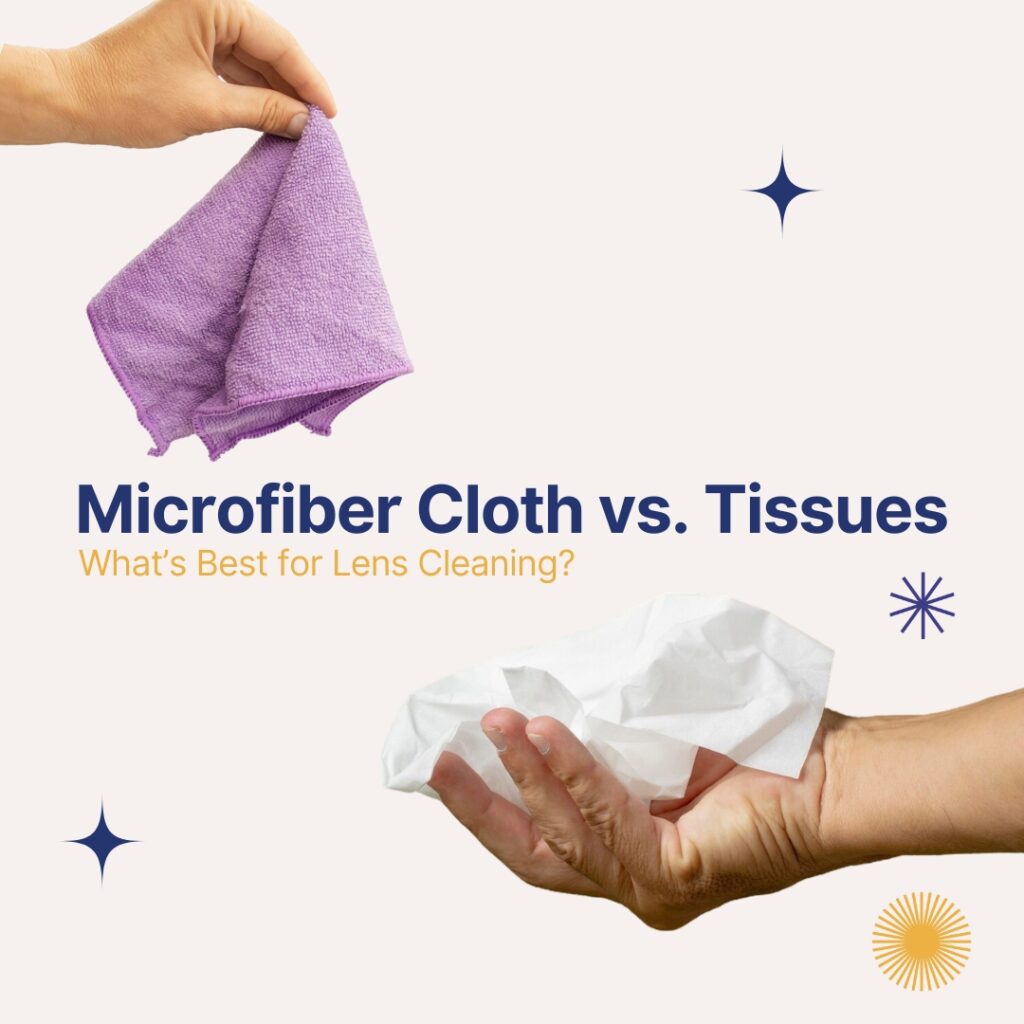
When it comes to keeping your eyeglasses, sunglasses, or camera lenses clean, the method you choose matters just as much as the cleaner you use. One of the most common questions lens users ask is: “Can I use tissues to clean my glasses?” The short answer? no! While tissues may seem convenient, they’re far from ideal. In contrast, using a microfiber cloth for lenses is the safer, more effective choice—recommended by opticians and manufacturers alike. In this article, we’ll compare microfiber vs tissues, explain why microfiber is considered the best lens cleaning material, and offer tips for keeping your cloth clean and long-lasting. 1. Microfiber vs. Tissues: What’s the Difference? Not all cleaning cloths are created equal. Let’s look at how microfiber cloths and tissues differ in material, effectiveness, and risk. Microfiber Cloths: Made from ultra-fine synthetic fibers (polyester and polyamide) Specifically designed to lift and trap dust, oil, and smudges Non-abrasive and safe on coatings Reusable and washable Tissues (Facial or Paper Towels): Made from wood pulp fibers Designed to be soft for skin—not lenses Leave behind lint or fibers Can scratch delicate coatings if debris is present While tissues might seem harmless, especially in a pinch, they can lead to micro-abrasions that gradually wear down your lenses. 2. Why Microfiber Is the Best Cloth for Glasses Choosing the best cloth for glasses means considering both safety and effectiveness. Microfiber cloths outperform tissues on every front. Key Benefits of Microfiber Cloths for Lenses: • Scratch-Free Cleaning Microfiber’s ultra-fine texture gently lifts dirt and smudges without grinding particles into your lenses—critical for maintaining anti-reflective or blue-light coatings. • Lint-Free Finish Unlike tissues, which often leave tiny fibers or streaks behind, microfiber cloths for lenses are tightly woven to ensure a clean, streak-free shine. • Reusable & Eco-Friendly A single microfiber cloth can be washed and reused dozens of times, making it more sustainable (and cost-effective) than disposable options. • Safe for All Lens Types Whether you’re cleaning prescription glasses, sunglasses, reading glasses, or camera lenses, microfiber cloths are universally safe. Pairing a microfiber cloth with a gentle lens cleaner like Rinsol Specs & Lens Cleaner enhances results—removing oil, dust, and smudges without risking damage. 3. Why Tissue Cleaning Glasses Is a Bad Habit Cleaning your lenses with tissues, napkins, or even the corner of your shirt may feel convenient, but it comes with significant drawbacks. Risks of Using Tissues on Glasses: Scratches: Tissues may contain rough fibers or trapped debris that can cause microscopic scratches. Residue: Most tissues leave lint or streaks, especially when used without a proper cleaning solution. Lack of Control: Thin paper can tear or smear dirt across the surface rather than lifting it away. 4. Lens Cleaning Tips for Best Results Cleaning your lenses the right way goes beyond the cloth itself. Here’s how to get the best results and keep your eyewear crystal clear: Effective Lens Cleaning Steps: Wash Your Hands Use mild soap and water before handling your lenses or cloth. Apply a Lens Cleaner Spray a small amount of a non-alcoholic, lens-safe cleaner like Rinsol to each side of the lens. Wipe with a Clean Microfiber Cloth Use gentle, circular motions. Avoid pressing too hard. Avoid Reusing Dirty Cloths A dirty cloth can spread more grime—or scratch your lenses. Don’t Use Hot Water Extreme heat can warp lens coatings or frames. By following these lens cleaning tips, you can preserve clarity and prolong the life of your eyewear. 5. How to Clean and Maintain Your Microfiber Cloth Your microfiber cloth needs regular cleaning to stay effective. Dirt, oils, and grime can build up over time, reducing its cleaning power and increasing the risk of scratching. Tips for Cleaning Microfiber Cloths: Hand Wash or Gentle Machine Wash Use cold water and a mild detergent. Avoid fabric softeners—they coat the fibers and reduce absorbency. Air Dry Only Let it air dry flat. Avoid heat drying, which can damage the fibers. Store It Clean Keep your eyeglass cleaning cloth in a clean, dry pouch or case to prevent contamination with dust or debris. Rotating between 2–3 microfiber cloths ensures you always have a clean one on hand for eyeglass cleaning or camera lens touch-ups. Final Thoughts: Choose the Best Lens Cleaning Material Your lenses are a daily investment in your vision, comfort, and appearance. Whether you wear glasses for reading, screen work, or fashion, proper cleaning is key. Ditch the tissues. For safe, streak-free, and scratch-free results, microfiber cloths are hands down the best lens cleaning material available today. Pair them with a reliable cleaner like Rinsol Specs & Lens Cleaner to make lens maintenance effortless and safe. Making this small switch can have a lasting impact on the clarity and lifespan of your eyewear.
Why Using a Specialized Lens Cleaner Is Better Than DIY Solutions
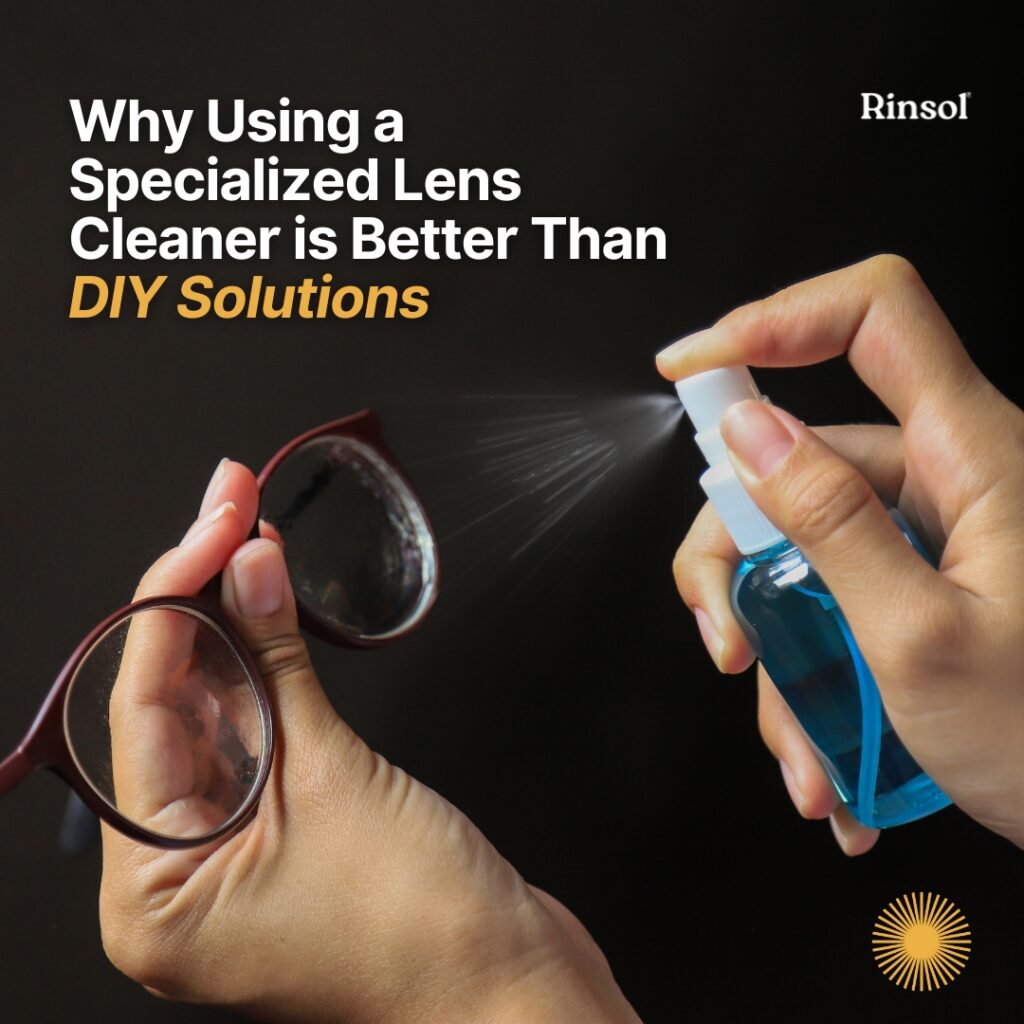
When your glasses, camera lenses, or sunglasses get smudged or dusty, the natural instinct is to reach for the nearest household solution—be it vinegar, alcohol, or even a shirt sleeve. While these quick fixes may seem harmless, they can actually do more harm than good. Using DIY lens cleaning methods with household products can lead to long-term damage, reduced clarity, and scratched coatings. That’s why using a specialized lens cleaner is a far better choice for protecting your lenses, whether for glasses, cameras, or sunglasses. In this blog, we’ll explore the risks of using the wrong cleaning products, the benefits of dedicated eyeglass cleaning solutions, and tips for cleaning lenses the right way. 1. The Hidden Dangers of Household Cleaning Solutions Common household items like vinegar, rubbing alcohol, and soap might seem like convenient cleaners, but they’re not suitable for camera lens cleaning or eyewear. Why DIY Lens Cleaning Is Risky: Alcohol and Ammonia: These harsh chemicals can strip anti-reflective or scratch-resistant coatings. Vinegar: Acidic and capable of leaving residue or corroding coatings. Soap and Detergent: Often contain moisturizers or surfactants that leave streaks. Paper Towels or Clothing: Rough fabrics can scratch lenses and trap dirt particles. Whether you’re cleaning reading glasses or high-end optics, avoiding these shortcuts will help maintain clarity and prevent damage. 2. Why Specialized Lens Cleaners Are the Best Choice A specialized eyeglass cleaner is formulated to clean delicate surfaces without harming protective coatings. These products are pH-balanced, alcohol-free, and safe for all lens types. Benefits of a Dedicated Lens Cleaner: Safe on Coated Lenses: Designed for anti-glare, blue-light, and UV-coated lenses. Streak-Free Finish: Leaves no foggy residue or smears. Versatile Usage: Ideal for glasses, sunglasses, and camera lens cleaning. Anti-static Effect: Helps repel dust for longer-lasting clarity. For daily use, a product like Rinsol Specs & Lens Cleaner offers a safe and effective way to clean all types of lenses with ease. 3. Best Practices for Cleaning Your Lenses Even with the best lens cleaner, technique is just as important. Here’s how to clean your lenses properly: Step-by-Step Cleaning Tips: Wash Hands First Avoid transferring oil or debris to your lenses. Rinse the Lenses (if needed) Use clean water to remove visible dust or particles. Spray the Eyeglass Cleaning Solution Apply a couple of sprays of Rinsol Lens Cleaner to each side of the lens. Wipe with a Microfiber Cloth Use circular motions with a soft, clean microfiber cloth. Don’t Apply Pressure Let the cleaner do the work—no need to scrub hard. Avoid Paper Products Tissues or towels can scratch lenses or leave behind fibers. 4. How Improper Cleaning Damages Your Lenses Your lenses may look tough, but they’re coated with ultra-thin layers that enhance your vision and protect your eyes. Improper cleaning can: Cause scratches that reduce optical clarity Strip protective coatings Leave buildup that attracts dust and fog Shorten the lifespan of your glasses or camera lens Using a proper eyeglass cleaning solution helps preserve both function and longevity, especially with daily wear and tear. Final Thoughts: Invest in the Best Lens Cleaner for Long-Term Clarity Whether you’re maintaining your favorite pair of glasses or your DSLR lens, DIY lens cleaning solutions just don’t offer the safety or results of a properly formulated product. A specialized lens cleaner protects coatings, prevents scratches, and ensures the clearest possible view. For safe, effective daily use, Rinsol Specs & Lens Cleaner is a smart addition to your vision care routine. Designed for versatility and performance, it’s the best lens cleaner choice for glasses, sunglasses, and optical equipment.
Blue Light, Dirty Screens, and Eye Strain: A Triple Threat to Eye Health
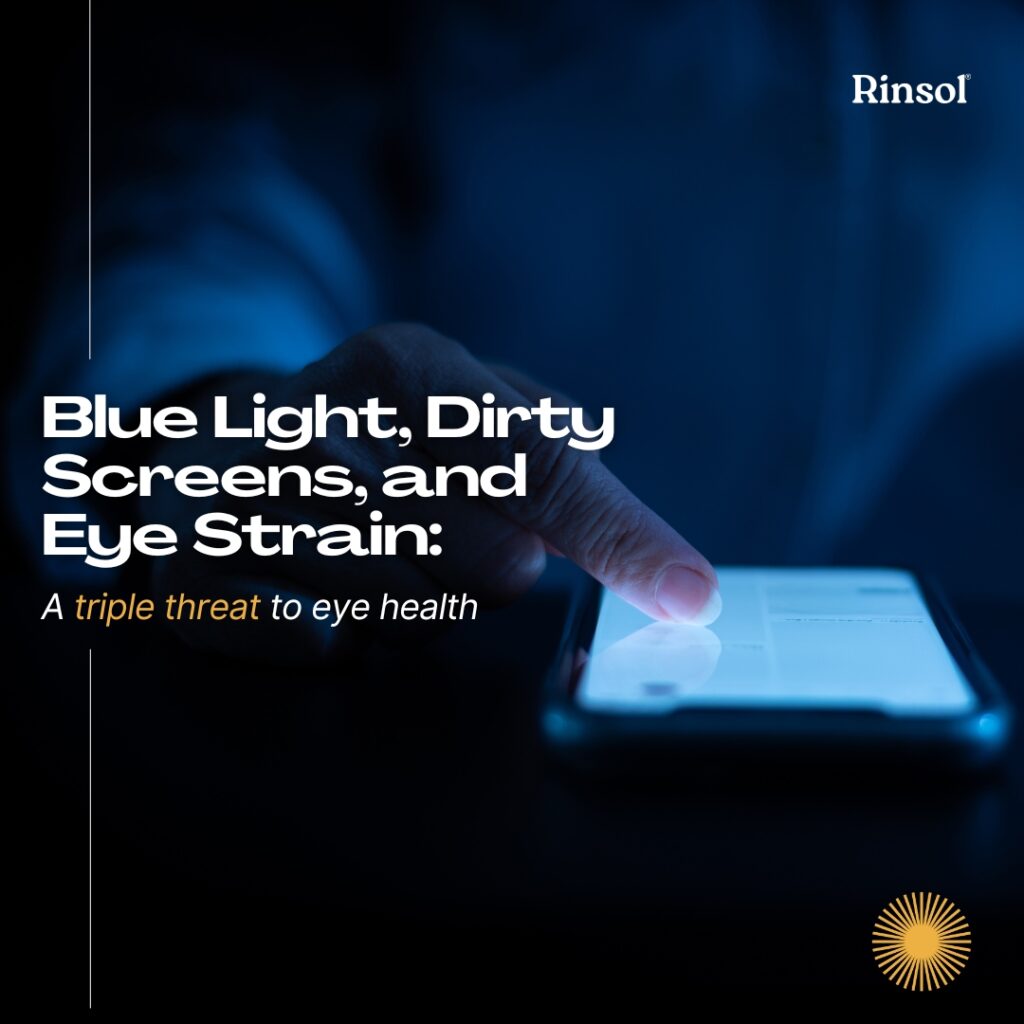
In today’s hyper-connected world, screens are everywhere—from laptops and phones to tablets and TVs. While digital devices have made life more efficient, they also bring a triple threat to eye health: blue light exposure, dirty screens, and digital eye strain. Each of these can cause discomfort, fatigue, and even long-term vision problems. In this blog, we’ll break down how these threats impact your eyes—and offer simple strategies and tools to support your digital eye health every day. 1. Blue Light Exposure: Fatigue, Sleep Disruption, and Eye Damage Modern screens emit blue light, a high-energy wavelength that plays a significant role in eye fatigue and sleep cycle disruption. While some exposure is natural (daylight contains blue light), artificial blue light—especially in the evening—can negatively affect your body. Effects of Blue Light: Eye Strain: Prolonged exposure can cause tired, dry, or irritated eyes. It’s one of the most common eye strains in the digital age. Disrupted Sleep: Blue light interferes with melatonin production, delaying sleep onset and reducing sleep quality. Blue Light Eye Damage: Over time, extended exposure may contribute to blue light eye damage, including stress on the retina and potential age-related degeneration. How to Reduce the Risk: To reduce the impact, consider using blue light glasses or enabling built-in night shift or warm-tone filters on your devices, especially after sunset. These tools are effective for both short-term comfort and long-term digital eye health. 2. Dirty Screens: A Hidden Hygiene Hazard While blue light often gets the spotlight, screen hygiene is frequently overlooked. Dust, smudges, and oils on your device screens don’t just impair visibility—they also pose a bacterial and visual hazard. Why Screen Hygiene Matters: Visual Discomfort: A dirty screen reduces contrast and clarity, forcing your eyes to work harder. This can contribute to both eye strain and fatigue. Bacterial Transfer: Touchscreens can harbor microbes, which may be transferred to your skin or eyes, especially if you rub your face. Keep Screens Clean: Maintaining proper screen hygiene helps protect both your eyes and your overall wellness. Clean your devices daily with a non-abrasive, alcohol-free formula like Rinsol Digital Cleaner for safe and effective screen maintenance. 3. Digital Eye Strain: What It Is and How to Relieve It Digital eye strain, also known as Computer Vision Syndrome, is a collection of eye and vision-related problems caused by prolonged screen use. Common Symptoms: Dryness and discomfort Headaches Blurred vision Neck or shoulder pain Top Eye Strain Causes: Reduced blinking Poor posture Excessively bright or dim screens Extended focus at a fixed distance Smudged or glare-heavy screens Effective Eye Strain Relief: Use Blue Light Filters or Glasses: These reduce visual stress and may help prevent blue light eye damage over time. Adjust Brightness and Contrast: Match your screen brightness to your surroundings to minimize strain. Blink Intentionally: Staring at screens lowers your blink rate. Train yourself to blink more often. Apply Lubricating Drops: Dryness is one of the first signs of fatigue. Rinsol Comfort Drops offer fast, gentle eye strain relief without preservatives—ideal for long digital sessions. Clean Screens Regularly: Smudges and dust add to strain. Maintaining screen hygiene with Rinsol Digital Cleaner ensures clear visuals and less effort for your eyes. Follow the 20-20-20 Rule: Every 20 minutes, look 20 feet away for 20 seconds. This helps refresh your focus and reduce tension. 4. Reduce Screen Time to Support Digital Eye Health Even with the best tools, one of the most effective ways to protect your vision is by simply reducing unnecessary screen exposure. Try These Screen Reduction Strategies: Use audio alternatives like podcasts or audiobooks Schedule screen-free meals and breaks Set app timers to limit scrolling Read physical books instead of e-readers Choose calming, low-stimulus evening routines before bed Your eyes will thank you, especially when your digital habits align with good digital eye health practices. Final Thoughts: Healthy Eyes in a Screen-Heavy World Digital eye strain is real, but also preventable. With so much of our day spent on screens, it’s essential to address not only blue light exposure but also screen hygiene and consistent eye care. Start small: Protect against blue light eye damage with filters or blue light glasses Clean screens daily using Rinsol Digital Cleaner Keep eyes refreshed with Rinsol Comfort Drops for ongoing eye strain relief When combined with mindful habits, these small changes can make a big difference. You can enjoy sharper, more comfortable vision—no matter how digital your day becomes.
Comfort Eye Drops: A Modern Solution for Digital Eye Fatigue
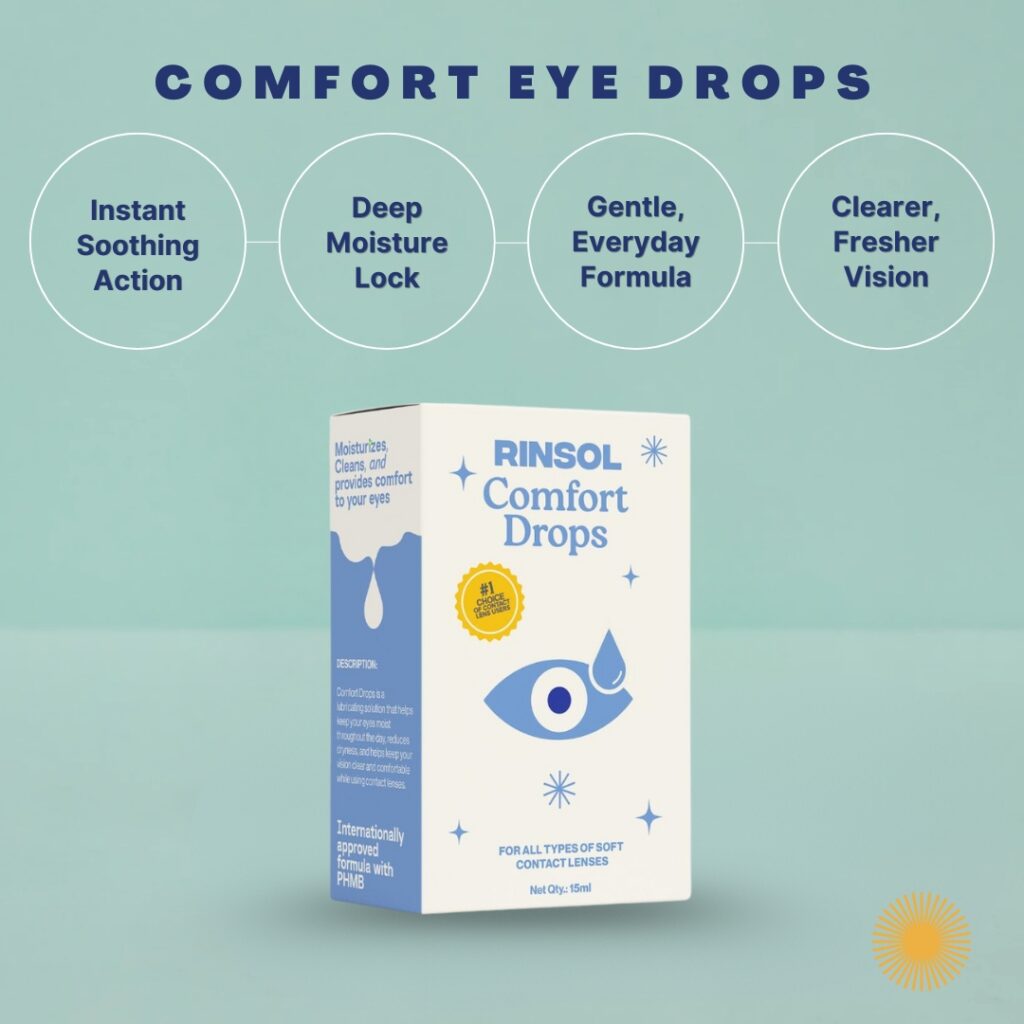
In today’s always-on digital world, more people are spending extended hours staring at screens—be it laptops, smartphones, or tablets. While this digital lifestyle has improved productivity and connectivity, it’s also led to a growing modern-day issue: digital eye fatigue. If you’ve ever experienced dry, itchy, or burning eyes after a long day of screen time, you’re not alone. These symptoms are increasingly common, and thankfully, so are solutions. Among the most effective remedies are comfort or lubricating eye drops, which offer fast and gentle relief. In this blog, we’ll explore how screen exposure affects your eyes, how comfort drops can help, and what you can do to protect your vision long-term. What Is Digital Eye Fatigue? Also known as computer vision syndrome, digital eye fatigue refers to a set of eye and vision-related symptoms that result from prolonged digital screen use. Unlike reading from a printed page, screens constantly refresh, which forces your eyes to work harder. Common Symptoms Include: Dryness or grittiness Eye strain or discomfort Redness and irritation Blurred or double vision Headaches or difficulty focusing These symptoms are primarily caused by reduced blinking, blue light exposure, and prolonged focusing at close distances, all of which contribute to surface-level dryness and muscle strain in the eyes. Why Your Eyes Dry Out During Screen Time One of the biggest culprits behind screen-related eye discomfort is decreased blinking. On average, we blink about 15–20 times per minute. However, while focusing on screens, that rate can drop by nearly half. When you blink less frequently: Your tear film evaporates faster Lubrication decreases The corneal surface becomes exposed and irritated The result? That dry, scratchy feeling that only gets worse as the day progresses. How Comfort Eye Drops Help Comfort eye drops, also known as lubricating or artificial tears, are designed to mimic the eye’s natural moisture. They replenish hydration, soothe irritation, and help protect the surface of your eyes from dryness and external stressors. Key Benefits of Comfort Eye Drops: Instant hydration for dry, strained eyes Soothing relief from burning or irritation Support for tear film stability, reducing further evaporation Improved focus and visual comfort during prolonged screen use For those who experience screen fatigue daily, using a high-quality comfort drop can make a noticeable difference. Products like Rinsol Comfort Drops are formulated to provide gentle, lasting hydration without preservatives—ideal for regular use in today’s digital environment. Tips for Using Comfort Eye Drops Effectively To get the most benefit from your eye drops, here are some helpful best practices: 1. Use Drops Before Discomfort Begins Instead of waiting until your eyes are irritated, apply drops proactively during the day—especially during long screen sessions. 2. Follow the 20-20-20 Rule Every 20 minutes, look at something 20 feet away for at least 20 seconds. This gives your eyes a break and helps reduce muscle strain. 3. Wash Hands Before Application Always apply eye drops with clean hands to avoid introducing bacteria to your eyes. 4. One Drop at a Time A single drop is usually enough per eye. Excess fluid may overflow without additional benefit. 5. Don’t Touch the Bottle Tip To keep the bottle sterile, avoid letting the tip come into contact with your eye, lashes, or fingers. 6. Close Eyes Gently After Use Blink slowly or gently close your eyes for 30 seconds after application to allow the drop to coat the eye evenly. The Importance of Eye Hygiene in the Digital Age Comfort drops are effective, but they work best as part of a comprehensive eye care routine. Here’s how to maintain better eye hygiene: • Take Frequent Breaks Whether you’re working, gaming, or binge-watching, give your eyes regular pauses to rest and rehydrate. • Adjust Lighting and Screen Settings Reduce glare and increase screen contrast. Position your monitor so that it’s slightly below eye level. • Stay Hydrated Dehydration can affect your tear production. Drink enough water daily to support natural eye moisture. • Clean Your Screens and Glasses Regularly Dust and smudges can strain your eyes further. A gentle cleaner like Rinsol Lens Cleaner helps keep visual surfaces clear. • Sleep Well Quality sleep helps your eyes recover. Use comfort drops at night if you feel dryness before bed. Are Comfort Drops Safe for Daily Use? Most preservative-free comfort drops are safe for frequent or daily use, especially for individuals experiencing chronic dryness from digital exposure. However, it’s important to: Check expiry dates and bottle usage guidelines Discard open bottles within the recommended time frame (typically 30–60 days) Avoid overuse—if you’re using drops more than 4 times a day, consult an eye care professional If you wear contact lenses, be sure to choose a drop that is contact lens-compatible or remove your lenses before application. When to See a Professional While eye drops can help with day-to-day fatigue, consult an ophthalmologist or optometrist if you notice: Persistent redness or blurred vision Eye pain or discharge No improvement despite using drops regularly Sensitivity to light These could be signs of underlying conditions like dry eye syndrome, allergies, or infections that require specialized treatment. Final Thoughts: Relief That Fits Your Routine Digital devices aren’t going anywhere—but neither should your comfort. With the right habits and tools, you can protect your vision and maintain long-term eye wellness. Comfort eye drops offer a simple, effective way to relieve digital fatigue and refresh your eyes throughout the day. If you’re looking for a gentle, fast-acting formula for screen-related dryness, Rinsol Comfort Drops are a practical addition to any modern eye care routine. Designed to work with your digital lifestyle, they provide moisture and comfort when your eyes need it most.
Ayurvedic vs. Chemical Eye Drops: Which Is Better for You?
When it comes to soothing tired, dry, or irritated eyes, eye drops are often the first line of defense. But with a growing market of both Ayurvedic and chemical-based options, many people are left wondering: Which type of eye drop is better for your eyes? The answer isn’t always one-size-fits-all. Each type has its unique composition, benefits, and use cases. In this article, we’ll break down the core differences between Ayurvedic and chemical eye drops, so you can make a more informed choice for your eye health. What Are Ayurvedic Eye Drops? Rooted in ancient Indian medicine, Ayurvedic eye drops are made using natural herbs, oils, and plant extracts. These formulations are often aimed at balancing the body’s internal systems and promoting holistic wellness. Common Ingredients Found in Ayurvedic Eye Drops: Triphala: A blend of three fruits known for antioxidant and anti-inflammatory properties Honey: Naturally antibacterial and soothing Rose water: Cooling and hydrating Tulsi (Holy Basil): Known for its anti-inflammatory and detoxifying effects Because of their natural base, Ayurvedic eye drops are often used for: Reducing eye strain from prolonged screen exposure Cooling and refreshing tired eyes Supporting long-term eye health naturally Alleviating minor irritations without synthetic chemicals For those seeking a gentle, herbal option, Rinsol Ayurvedic Eye Drops are a modern take on traditional formulations. Made with time-tested Ayurvedic ingredients, they are often used by people looking to incorporate natural wellness into their daily routine. You can learn more about them here. What Are Chemical Eye Drops? Chemical eye drops are formulated using modern pharmacological compounds designed for fast, targeted relief. These products typically contain synthetic lubricants, antihistamines, decongestants, or antibiotics—depending on the intended use. Common Types of Chemical Eye Drops: Lubricating Drops: Contain polyethylene glycol or carboxymethylcellulose Antihistamine Drops: Used for allergies, contain ketotifen or olopatadine Decongestant Drops: Reduce redness by constricting blood vessels Antibiotic Drops: Treat bacterial infections like conjunctivitis Chemical eye drops are typically used for: Severe dryness or eye allergies Bacterial or viral infections Post-surgery care Rapid relief of redness or swelling Comparing Efficacy Ayurvedic Drops: Often take longer to show results as they work holistically Ideal for long-term wellness and preventive care Generally well-suited for daily use by those with mild to moderate eye strain or irritation Chemical Drops: Offer faster, more immediate relief Highly effective for acute conditions (e.g., infections, allergies) Usually used short-term or as prescribed by a doctor Both types can be effective—your choice depends on your condition and whether you’re looking for relief or prevention. Safety Profiles and Side Effects Ayurvedic Eye Drops: Usually considered safe for long-term use when made by a reputable manufacturer Lower risk of side effects like burning or rebound redness Some users may still experience mild irritation if sensitive to herbal components Important to ensure the product is sterile and clinically tested Chemical Eye Drops: May cause side effects like stinging, dryness, or blurred vision—especially if overused Risk of allergic reaction or dependency in some users Should be used strictly as directed, especially those with active pharmaceutical ingredients Which One Should You Choose? Here’s how you can decide what’s best for your needs: Condition Recommended Type Mild dryness or digital eye strain Ayurvedic Chronic redness or allergies Chemical (under supervision) Preventive daily use Ayurvedic Post-surgery or infections Chemical (prescription-based) Preference for natural remedies Ayurvedic Need for fast relief Chemical Key Takeaways for Eye Drop Users Regardless of the type of eye drop you choose, here are some important practices to follow: 1. Always Consult an Eye Care Professional Whether you’re considering a herbal formula or a chemical one, it’s best to speak with an eye doctor—especially if you have pre-existing conditions, wear contact lenses, or are using other medications. 2. Check for Certifications Only use products from trusted brands that follow proper manufacturing, testing, and sterilization processes. Ayurvedic products should be GMP-certified, and chemical drops should be FDA-approved. 3. Do Not Mix Eye Drops Unnecessarily Using multiple types of eye drops simultaneously (e.g., one Ayurvedic and one chemical) without guidance can reduce efficacy or cause interactions. 4. Store Properly and Use Before Expiry Both Ayurvedic and chemical eye drops can lose potency or become unsafe after expiration. Always store them in a cool, dry place and use within the recommended period after opening. Balance Relief with Long-Term Wellness When it comes to choosing between Ayurvedic and chemical eye drops, there is no definitive “better” option—it all comes down to your individual needs and the condition being treated. Ayurvedic eye drops can be a gentle, daily-use solution for those seeking natural support, while chemical eye drops are ideal for more acute or severe issues. If you’re looking to support your eye health more holistically, especially in today’s digital-first lifestyle, natural options like Rinsol Ayurvedic Eye Drops may offer a meaningful alternative. Just remember: consistency and guidance from a qualified professional are key to protecting your eyes in the long run.
Can You Sleep with Contact Lenses? Risks & Alternatives

For millions of contact lens users worldwide, convenience sometimes overrides caution. One of the most common questions among wearers is: “Can you sleep with contact lenses?” While it may seem harmless—especially after a long day—the reality is that sleeping in contact lenses can lead to serious eye health complications. In this blog, we’ll break down the risks, explain why removing your lenses before bed is critical, and explore safer alternatives to protect your vision. Why Sleeping in Contact Lenses Is Risky Contact lenses are designed to sit directly on the surface of your eyes, where they rely on oxygen from the surrounding air to keep your cornea healthy. When you sleep in your lenses—especially if they’re not specifically approved for overnight wear—you significantly reduce that oxygen supply. 1. Reduced Oxygen Flow (Hypoxia) Oxygen is essential for your cornea’s metabolism and repair. Sleeping with lenses restricts airflow between your eye and the environment, causing a condition called corneal hypoxia. Over time, this can lead to swelling, blurred vision, and in severe cases, corneal damage. 2. Increased Risk of Eye Infections One of the biggest risks of overnight lens wear is the development of microbial keratitis, a potentially vision-threatening infection. While rare, this condition is more likely to occur if your lenses trap bacteria, fungi, or parasites against the surface of your eye. During sleep, your natural tear production and blinking are reduced—two key defenses against infection. 3. Dryness and Discomfort Even for lenses marketed as “extended wear,” sleeping in them can lead to dry eyes, redness, and discomfort. Without regular lubrication, lenses can stick to your cornea or tear film, making them harder to remove in the morning. 4. Corneal Neovascularization In response to oxygen deprivation, your eye may begin to grow new blood vessels into the cornea—a condition called corneal neovascularization. This is your body’s way of trying to supply more oxygen, but it can result in long-term vision changes and discomfort. Are Any Lenses Safe for Overnight Wear? Some contact lenses are FDA-approved for extended or overnight wear. These lenses are made from silicone hydrogel, a material that allows more oxygen to pass through. However, even with these, the risk of infection and complications is higher compared to daily wear lenses. Eye care professionals generally do not recommend sleeping in lenses unless absolutely necessary. If you must wear lenses overnight, it’s essential to consult your optometrist, follow their guidelines strictly, and maintain impeccable hygiene. Safer Alternatives to Sleeping in Lenses To avoid the dangers of overnight lens wear, here are some alternatives and practices that can help: 1. Switch to Glasses at Night Make it a habit to switch to glasses once you’re home or winding down for the day. Glasses give your eyes a break and eliminate all the risks associated with contact lenses during sleep. 2. Use Daily Disposable Contact Lenses Daily disposable lenses are a healthier choice for many users. You wear a fresh, sterile pair every day, minimizing the chances of contamination and buildup. Plus, there’s no need to worry about cleaning or storing them overnight. 3. Establish a Proper Night Routine Set a nightly reminder to remove your lenses before bed. This simple habit can prevent a host of complications and protect your vision long-term. Tips for Safe Lens Removal and Eye Health For lens wearers, good hygiene and proper product use are non-negotiable. Here are a few tips: • Always Wash and Dry Your Hands Before touching your lenses or your eyes, thoroughly wash your hands with soap and water. Dry with a lint-free towel to avoid transferring any debris. • Use a High-Quality Multipurpose Solution Choose a contact lens solution that not only cleans but also disinfects and hydrates your lenses. A product like Multisol+ is formulated to remove protein deposits, kill bacteria, and keep lenses comfortable for all-day wear. Using a quality multipurpose solution reduces the likelihood of irritation and infection, especially after long days. • Avoid Tap Water or Saliva Never use tap water or saliva to clean your lenses. These contain bacteria and microorganisms that can introduce harmful pathogens to your eyes. • Replace Your Lens Case Regularly Dirty lens cases are a breeding ground for bacteria. Replace your case every 1–3 months and clean it daily with fresh solution—not water. • Give Your Eyes a Break Just as your body needs rest, so do your eyes. On days when you don’t need lenses, let your eyes breathe naturally without them. What to Do If You Accidentally Sleep in Contacts If you’ve unintentionally dozed off in your contact lenses, don’t panic—but do take immediate steps: Don’t remove them right away. Your eyes might be dry, and pulling the lenses out can cause irritation or damage. Blink several times or apply sterile rewetting drops to hydrate your eyes before attempting to remove the lenses. Once removed, give your eyes a break for the rest of the day. Watch for symptoms like redness, pain, blurred vision, or sensitivity to light. If any of these occur, contact an eye care professional immediately. Final Thoughts: Your Eyes Are Worth the Extra Care While the idea of sleeping in contact lenses may seem harmless, the risks outweigh the convenience. Eye infections, oxygen deprivation, and long-term vision issues can be prevented with small, consistent habits. Make your eye health a priority—remove your lenses before sleep, maintain proper hygiene, and choose quality products that support your routine. Remember: you only get one pair of eyes. Treat them well.
OEM Manufacturing in Eye Care: How Gaymed Labs Supports Your Brand
In a world where trust, science, and speed define the success of a health brand, OEM manufacturing is no longer just a cost-saving measure—it’s a strategic power move. At Gaymed Labs Private Limited (GLPL), we help you bring professional-grade eye care solutions to market under your own label—quickly, affordably, and with complete regulatory peace of mind. If you’re exploring contact lens private labelling or looking to expand your eye care brand portfolio, here’s everything you need to know about how GLPL can make it happen. What is OEM in Eye Care? OEM (Original Equipment Manufacturing) refers to producing eye care products under your brand name, but using the expertise, infrastructure, and R&D of a specialized manufacturer, like us. At GLPL, we don’t just offer manufacturing. We offer: White-labeled products Custom formulations Compliance support Design and packaging solutions Fast production and dispatch 1. How GLPL Offers OEM & Private Labelling Support We make it easy for brands to launch and scale their own line of eye care products. Here’s how: Proven Formulas & R&D You get access to GLPL’s lab-tested formulations—ready for market. Want something unique? We also offer custom formulation development. Branding & Packaging We handle everything from label printing to bottle design, helping your brand look sharp and professional from Day 1. Fast Turnaround Our manufacturing pipeline allows you to go from idea to product in as little as 6–8 weeks. 2. Explore GLPL’s Private Labelling Product Range GLPL is a leader in ophthalmic OEM with a diverse product catalog that covers every aspect of modern eye care: Product Category Available For Private Labelling Description Contact Lens Solutions ✅ Our contact lens solution is a multifunctional all-in-one solution for cleaning, rinsing, storing, disinfecting, moisturising, and deproteinizing all soft and disposable contact lenses, including silicone hydrogels. It features a 4-way action formula: Superior disinfection Better cleaning Greater comfort Maximum protein removal Eyewear Cleaners ✅ Our cleaners are specially formulated, premium IPA-based solutions designed for optical surfaces such as eyeglasses, camera lenses, and binoculars. This all-purpose lens cleaner ensures a clearer view with every use. For best results, use with a microfiber cloth. Ideal for enhancing clarity on screens and optical devices. The Anti-Fog Cleaner prevents fogging for uninterrupted vision. Ayurvedic Eye Drops ✅ It cleans, soothes, and protects eyes from strain, pollution, and inflammation, promoting clear, healthy vision. Our eye drops have a unique ayurvedic preparation for protecting eyes from various eye ailments. Contact Lenses ✅ Soft lenses, one-day coloured disposables All products are made in certified facilities and comply with global safety standards. 3. Customization, Quality Assurance & Compliance When it comes to eye care, quality isn’t optional—it’s everything. Quality Assurance, Licenses & Certifications GLPL empowers you to launch your own contact lens solution brand and your own lens cleaner solution. We offer a seamless process, from formulation and packaging to branding, allowing you to focus on growing your business globally. With our expertise and support, you can maximize the returns on your investment and stand out in the market with innovative products tailored to your needs. ISO certified (An ISO 13485 certified company) CE certified (CE-2817) Licence to Manufacture for Sale or for Distribution of Class A or Class B medical device (Licence Number: MFG/MD/2023/000761) MD-42 (Registration certificate to sell, stock, exhibit or offer for sale or distribute a medical device) GMP manufacturing protocols. MSME Registered UDYAM REGISTRATION NUMBER – UDYAM-DL-01-0005633 ZED BRONZE (MSME) Private Labelling & OEM You can choose: Custom mono carton packaging Custom Label design Box/packaging layout 4. Key Business Benefits of OEM with GLPL We help you focus on branding, marketing, and distribution, while we take care of product excellence. Cost-Efficiency No need to build a lab, hire chemists, or deal with equipment costs. Scalability As you grow, we grow with you. Our batch flexibility and high-volume capabilities mean you’re never limited by inventory. Faster Time-to-Market Why spend 1–2 years developing a product from scratch? With GLPL’s OEM solutions, your product can launch in under 2 months. Less Risk, More Focus Focus on marketing and sales—we’ve got manufacturing, R&D, and quality under control. Launching Your Own Lens Care Brand Let’s say you’re an optometrist or D2C brand looking to sell contact lens solution. Here’s what your journey with GLPL would look like: Choose our contact lens solution – our best-selling, ISO-certified solution. Add your brand name, design, and logo. Receive lab tests and documentation. Start selling in both online and offline. You could go from zero to retail shelf in 6–8 weeks. Final Word: Your Brand, Our Science Whether you’re launching a new wellness line, expanding your clinic’s offerings, or entering retail with your own branded products, Gaymed Labs gives you the scientific backbone to build your business with confidence. We’re here to simplify your journey in contact lens private labelling, offering premium OEM solutions that reflect your brand values, earn customer trust, and meet the highest global standards. Ready to start your private label journey? Explore our OEM offerings today at www.gaymedlabs.com or drop us a message to discuss your product roadmap.
Maintaining Optimal Eye Health: Practical Tips for Every Day
In today’s fast-paced, screen-dominated world, our eyes are constantly under pressure. From work to entertainment, we rely heavily on our vision, yet often neglect to give our eyes the care they truly deserve. This guide will walk you through actionable eye care tips that are simple to follow, backed by science, and perfect for everyday life. 1. Start With the Basics: How to Keep Your Eyes Healthy Maintaining good eye health doesn’t require drastic changes—it’s about building daily habits that protect your vision over time. Eat for Your Eyes Nutrition plays a vital role in eye health. Include these in your diet: Leafy greens like spinach and kale (rich in lutein and zeaxanthin) Carrots (packed with beta-carotene) Citrus fruits (vitamin C to reduce cataract risks) Omega-3s from fish or walnuts (prevent dry eyes and AMD) Stay Hydrated Proper hydration keeps the eyes moist and prevents dryness and irritation. 2. Screen Time Smart: Tips for Eye Health in a Digital World With increasing time spent on phones, tablets, and laptops, digital eye strain is a real problem. Here’s how to reduce the damage: Follow the 20-20-20 Rule Every 20 minutes, look at something 20 feet away for 20 seconds. This resets your focus and relieves eye muscles. Adjust Your Screen Settings Use night mode or blue light filters in the evening. Keep your screen brightness similar to your surroundings to avoid squinting. Use Anti-Fog & Digital Lens Cleaners Products like Rinsol Digital Cleaner from GLPL (Gaymed Labs) are perfect for screen users. They gently clean lenses and screens without streaks and help prevent eye fatigue from smudged or dirty lenses. 3. Protect Your Eyes Outdoors and Indoors Environmental factors can greatly affect your vision. Here’s how to protect your eyes in all situations: Wear UV-Protective Sunglasses Exposure to UV rays can cause cataracts and photokeratitis. Always opt for sunglasses with 100% UVA/UVB protection. Use Protective Eyewear When Needed When working with chemicals, power tools, or during sports—wear protective goggles to prevent injuries. 4. Simple Daily Habits That Go a Long Way These tiny changes can have a massive impact on your eye health over time: Get Enough Sleep Sleep helps your eyes rest, repair, and recover from daily strain. Aim for 7–8 hours every night. Practice Proper Lens Hygiene If you wear contact lenses: Wash your hands before touching your eyes Never sleep in lenses unless prescribed Always clean lenses with a trusted contact lens solution like Multisol+ Multisol+ not only disinfects but also hydrates lenses, reducing the risk of dry eye or infections—making it a must-have in your lens care routine. 5. Avoid These Common Eye Health Mistakes Understanding what not to do is just as important as building good habits. Don’t Rub Your Eyes This can cause microtears, especially if dirt or germs are on your hands. Avoid Excessive Screen Time Without Breaks It causes eye fatigue, blurry vision, and headaches. Don’t Use Expired Eye Products Always check the expiry date of eye drops, lens solutions, and creams. Old products can harbor bacteria and lead to infections. 6. Stay On Top of Your Eye Health with Regular Checkups See an Eye Doctor Annually Even if you don’t wear glasses or lenses, a yearly comprehensive eye exam can detect hidden issues early—like glaucoma, macular degeneration, or diabetic retinopathy. 7. Home Remedies & Ayurvedic Tips for Eye Health Looking for natural ways to improve eye health? Ayurveda offers several gentle, effective practices. Rose Water Apply chilled rose water using a cotton pad to reduce puffiness and refresh the eyes. Palming and Eye Yoga Rub your palms and gently place them over your eyes to relax the muscles. Roll your eyes clockwise and counterclockwise to improve flexibility and focus. 8. Product Recommendations to Boost Eye Wellness Whether you wear contacts, glasses, or simply use screens a lot, the right products make a big difference: Multisol+ (GLPL) A multi-action contact lens solution that cleans, disinfects, and hydrates. Perfect for daily contact lens users looking for comfort and protection. Rinsol Digital Cleaner (GLPL) Ideal for cleaning digital device screens and eyeglasses. It’s gentle, streak-free, and anti-static, helping reduce digital eye strain. Rinsol Anti-Fog Cleaner Say goodbye to foggy lenses. Essential for those who wear glasses with masks or in humid weather. All these products are developed by Gaymed Labs (GLPL), a brand trusted by professionals for science-backed, high-performance eye care solutions.
The Future of Vision Care: How GLPL is Embracing Innovation in Optical Products
The world of vision care is rapidly evolving, with cutting-edge innovations revolutionizing the way we see, wear, and care for our eyes. From advanced contact lens solutions to anti-fog treatments and digital screen cleaners, modern optical products are designed to provide greater comfort, clarity, and protection. At GLPL (Gaymed Labs Private Limited), we are committed to leading this transformation by delivering high-quality, science-backed solutions for eye health. Whether it’s keeping contact lenses fresh, preventing fogging, or maintaining crystal-clear digital screens, GLPL is at the forefront of optical innovation. In this blog, we’ll dive into the future of vision care and how GLPL’s cutting-edge products are shaping a better, clearer tomorrow. 1. The Growing Need for Innovative Optical Solutions With increasing screen time, environmental pollutants, and changing lifestyles, eye health concerns are becoming more prevalent than ever. Here’s why advanced optical care is no longer a luxury, but a necessity: Rising Screen Time – On average, people spend over 7 hours a day on digital devices, leading to dry eyes, strain, and discomfort. Increased Contact Lens Usage – More people are switching to contact lenses, requiring better lens hygiene and hydration. Foggy Lenses & Smudged Screens – Glasses fogging up and dirty phone screens affect daily convenience and visibility. Need for Anti-Microbial Protection – As hygiene awareness increases, people want products that fight bacteria and germs effectively. At GLPL, we recognize these challenges and create advanced solutions to ensure that vision care remains safe, effective, and effortless. 2. How GLPL is Leading Innovation in Vision Care At GLPL, we focus on three key areas of optical innovation: Advanced Contact Lens Solutions – Keeping lenses clean, hydrated, and irritation-free. Anti-Fog Technology for Eyewear – Preventing glasses and lenses from fogging up. Digital Screen Cleaners – Ensuring smudge-free, bacteria-free device screens. Let’s take a closer look at how GLPL products are reshaping the future of optical care. 3. Revolutionizing Contact Lens Care with GLPL’s Advanced Solutions One of the biggest concerns for contact lens users is lens hygiene. Improper care can lead to bacterial infections, protein buildup, and discomfort. Multisol Plus: The Future of Contact Lens Care Multisol Plus is GLPL’s premium multi-purpose lens solution, designed to provide all-in-one lens care. Cleans, Disinfects, and Hydrates Lenses – Ensures maximum comfort for all-day wear. Prevents Protein Deposits – Keeps lenses clear and irritation-free. Advanced Anti-Bacterial Formula – Reduces the risk of eye infections. Safe for All Types of Lenses – Suitable for soft, silicone hydrogel, and rigid lenses. Why It Matters: In the future, contact lens solutions won’t just clean lenses—they’ll also enhance hydration, block harmful UV rays, and offer extended moisture-lock technology. Multisol Plus is already ahead of the game! Shop Multisol Plus Now and experience next-level lens care! 4. Say Goodbye to Foggy Lenses with GLPL’s Anti-Fog Innovations One of the most frustrating experiences for people who wear glasses is dealing with fogging, especially in humid weather, while cooking, or when wearing face masks. Rinsol Anti-Fog Cleaner: Crystal Clear Vision, Anytime Rinsol Anti-Fog Cleaner is GLPL’s breakthrough formula that prevents glasses, goggles, and visors from fogging up. Instant Fog Prevention – Keeps lenses clear in all conditions. Safe for Coated & Non-Coated Lenses – Works on prescription glasses, sunglasses, and safety goggles. Long-Lasting Effect – One application provides hours of anti-fog protection. The Future of Anti-Fog Technology: Next-gen anti-fog solutions will be designed to last even longer while offering additional scratch resistance and dust protection. GLPL is already pioneering this transformation with Rinsol! Shop Rinsol Anti-Fog Cleaner Now for fog-free, hassle-free vision! 5. Smudge-Free Digital Screens with GLPL’s Smart Cleaning Solutions Did you know that your smartphone screen carries more bacteria than a toilet seat? From fingerprints and makeup stains to bacteria and oil buildup, keeping screens clean is more important than ever. Rinsol Digital Cleaner: The Ultimate Screen Cleaning Hack Rinsol Digital Cleaner is designed to keep your screens crystal clear and germ-free. Removes Streaks, Fingerprints, and Oil Residue – No more dirty, smudged screens. Safe for All Devices – Works on smartphones, tablets, laptops, and camera lenses. Anti-Bacterial Formula – Keeps your screen hygienic and germ-free. Fast-Drying, Streak-Free Formula – Leaves no residue behind. The Future of Screen Cleaning: The next wave of screen cleaners will feature self-cleaning nanotechnology that repels smudges and actively kills bacteria on contact. GLPL is already leading the way with Rinsol! Shop Rinsol Digital Cleaner Now for smudge-free, bacteria-free screens! Final Thoughts: A Clearer Tomorrow with GLPL The future of vision care is about more than just clearer sight—it’s about comfort, safety, and innovation. At GLPL, we are committed to providing high-quality, cutting-edge optical products that make your daily life easier and your vision sharper. Upgrade Your Vision Care Routine Today! Multisol Plus Contact Lens Solution – The best care for soft and silicone hydrogel lenses. Rinsol Anti-Fog Cleaner – Say goodbye to foggy glasses forever. Rinsol Digital Cleaner – Keep your screens smudge-free and spotless. Shop GLPL Products Now and experience the future of vision care today!
Mobile Screen Cleaner Hacks: How to Make Your Phone Sparkle Like New
Your phone screen collects fingerprints, dirt, makeup, and bacteria throughout the day. In fact, studies show that an average smartphone harbors ten times more bacteria than a toilet seat—disgusting, right? A dirty screen not only looks bad but can also affect touch sensitivity and damage the protective coating. But don’t worry! With the right cleaning techniques and products, like Rinsol Digital Cleaner, you can keep your phone looking brand new without causing any damage. 1. Why Cleaning Your Phone Screen the Right Way Matters You touch your phone constantly, placing it on different surfaces, taking it to the gym, handling it with dirty hands—it’s no wonder the screen gets grimy. Here’s why cleaning it regularly (and correctly) is essential: Prevents Germ Buildup – Your phone is a breeding ground for bacteria, and regularly disinfecting it keeps you safe. Enhances Screen Visibility – Smudges and streaks make it hard to see your screen, especially in bright sunlight. Improves Touch Sensitivity – Dirt buildup can make your screen less responsive over time. Extends the Lifespan of Your Device – The wrong cleaning methods (like using paper towels or too much liquid) can strip away the oleophobic coating and cause long-term damage. The key? Using a specialized cleaner like Rinsol Digital Cleaner, which is safe, effective, and designed specifically for screens. 2. What NOT to Use on Your Phone Screen Before we dive into the best ways to clean your phone, let’s talk about the biggest cleaning mistakes that can ruin your screen: Paper Towels or Tissues – These can cause micro-scratches on your screen. Window or Glass Cleaners – Many people think that products like Windex are safe for screens, but they contain harsh chemicals like ammonia, which can wear down the protective coating. Alcohol or Vinegar (If Not Formulated Correctly) – High concentrations of alcohol or vinegar can be too harsh and strip your screen’s protective layer. Instead, use a specialized alcohol-based formula like Rinsol Digital Cleaner, which is designed for electronic screens. Too Much Water – Water can seep into your phone’s charging port, speakers, and buttons, leading to internal damage. Always use a lightly dampened cloth instead of spraying liquid directly. 3. The Best Way to Clean Your Phone Screen (Step-by-Step Guide) Follow these steps to safely clean your screen without causing streaks, scratches, or damage: Step 1: Power Off Your Device Before you clean your phone, turn it off to prevent accidental inputs and reduce the risk of moisture damage. Step 2: Use a High-Quality Screen Cleaner Instead of DIY methods that could harm your phone, use Rinsol Digital Cleaner, specially formulated to remove fingerprints, smudges, bacteria, and oil without damaging the screen. Why Choose Rinsol Digital Cleaner? Safe for All Screens – Works on smartphones, tablets, laptops, and smartwatches. Removes Stubborn Smudges – Easily lifts oils, fingerprints, and makeup residue from your screen. Quick-Drying Formula – No streaks or residue left behind. 👉 Get Rinsol Digital Cleaner here! Step 3: Use a Microfiber Cloth A microfiber cloth is gentle on the screen and effectively removes dirt without scratching. How to use it: Spray a small amount of Rinsol Digital Cleaner onto the cloth (never directly onto the screen). Gently wipe the screen in circular motions to remove smudges and fingerprints. Step 4: Let the Screen Dry Naturally Avoid touching your screen until it’s completely dry. The fast-evaporating formula of Rinsol Digital Cleaner ensures that your screen is clean and streak-free within seconds. Step 5: Clean Your Phone Case Your phone case collects just as much dirt as your screen. For plastic or silicone cases: Remove the case and wipe it with a Rinsol Anti-Bacterial Wipe. For fabric or leather cases, use a damp microfiber cloth and let it air dry. 💡 Pro Tip: If your phone case is yellowing, soak it in a mix of warm water and Rinsol Cleaning Solution for 10 minutes to restore its look! 4. How to Keep Your Phone Screen Clean for Longer Cleaning your screen once isn’t enough—you need preventive habits to keep it looking new. Wash Your Hands Frequently – Less dirt on your hands means a cleaner screen. Use a Screen Protector – A high-quality screen protector prevents smudges and makes cleaning easier. Store Your Phone Properly – Avoid keeping your phone in places where it can collect dust and dirt (like bags with loose items or dirty pockets). Avoid Using Your Phone While Eating – Food particles and grease can make your screen extra sticky and difficult to clean. Keep a Cleaning Wipe Handy – Rinsol Anti-Bacterial Wipes are perfect for on-the-go cleaning and help prevent bacteria buildup. 👉 Shop Rinsol Anti-Bacterial Wipes now! 5. How Often Should You Clean Your Phone? Daily: Wipe your screen with a dry microfiber cloth to remove light smudges. 2-3 Times a Week: Use Rinsol Digital Cleaner for a deep clean and to disinfect your screen. Once a Month: Remove your case and clean both the case and phone thoroughly. 6. The Best Products to Keep Your Phone Clean & Germ-Free For the best results, use high-quality cleaners that are designed for electronics. Here are our top recommended products: Rinsol Digital Cleaner Removes fingerprints, oil, and dirt Streak-free and quick-drying Safe for phones, laptops, tablets, and smartwatches 👉 Buy Now Rinsol Anti-Bacterial Wipes Perfect for on-the-go cleaning Kills 99.9% of germs Safe for screens and cases 👉 Get Yours Here Rinsol Anti-Fog Lens Cleaner Prevents fog buildup on glasses and phone screens Works on camera lenses and screen protectors 👉 Shop Now Final Thoughts Your phone is one of the dirtiest things you own, but keeping it clean doesn’t have to be complicated. By following the right cleaning techniques and using Rinsol Digital Cleaner, you can maintain a spotless screen without damaging your device.