The Impact of Air Pollution on Contact Lens Wearers in Metro Cities
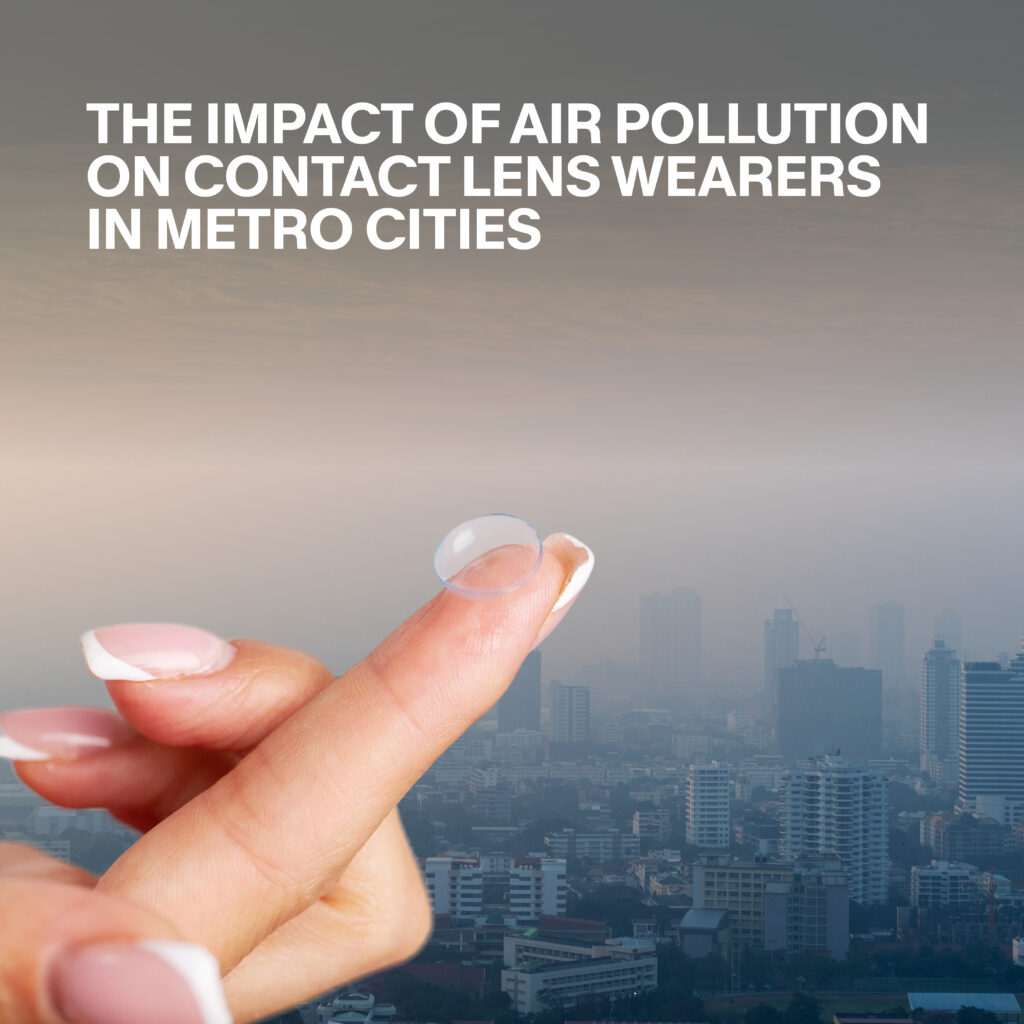
In metro cities like Delhi, Mumbai, and Bangalore, air pollution is a daily reality. Fine particles such as PM2.5, dust, and smog settle not just in the air but also on contact lenses. This creates a thin “film” over the lens surface, leading to discomfort, blurred vision, and irritation. Over time, poor hygiene combined with pollution exposure may even contribute to conditions like Giant Papillary Conjunctivitis (GPC). For lens users, maintaining proper hygiene with a reliable contact lens cleaning solution is essential to combat the harsh urban environment. The “Pollutant-Barrier” Concept Modern lens care solutions are designed to do more than basic cleaning. Advanced surfactants in a good contact lens cleaning solution act like a protective shield, breaking down oily smog residue and microscopic particles that stick to lenses during daily commutes. This “pollutant-barrier” effect helps maintain lens clarity, reduces irritation, and ensures that lenses remain comfortable even in high-pollution environments. Home & Office Habits for Urban Lens Users City dwellers can adopt simple habits to reduce the impact of pollution on their eyes: Use eye drops for irritation during the day to flush out dust and pollutants Apply eye drops for dry eyes to maintain hydration in air-conditioned offices Follow a “deep-soak” routine every night using fresh solution to restore lens cleanliness Avoid touching lenses with unclean hands after being outdoors These small steps can significantly improve comfort and eye health. Identifying Danger: Warning Signs Pollution-related lens discomfort often shows early signs: Excessive watering or tearing Blurred vision after outdoor exposure Persistent redness or itching Gritty sensation in the eyes One critical mistake to avoid is “topping up” old solutions instead of replacing them. In polluted environments, this can trap contaminants and increase the risk of irritation or infection. Conclusion Urban air pollution doesn’t have to compromise your vision or comfort. With the right habits and high-quality contact lens cleaning solution, you can effectively protect your lenses from dust, grime, and harmful particles. Deep cleaning and proper hygiene are no longer optional, they are essential tools for every contact lens wearer navigating life in India’s metro cities. FAQs Q1. How does air pollution affect contact lens comfort in metro cities? Air pollution deposits dust, smog, and microscopic particles on lenses, leading to dryness, irritation, and blurred vision. This reduces overall comfort and can increase the risk of eye problems if not managed properly. Q2. What are some tips to protect contact lenses from pollution and dust exposure? Use protective eyewear outdoors, clean lenses daily with fresh solution, avoid touching eyes with unclean hands, and use lubricating drops to flush out particles during the day. Q3. What are the signs of eye irritation caused by pollution while wearing lenses? Common signs include redness, excessive tearing, itching, dryness, and a gritty feeling in the eyes, especially after being outdoors. Q4. What are the best practices for contact lens care in high pollution environments? Follow strict hygiene routines, avoid reusing old solution, deep-clean lenses daily, and use compatible cleaning and disinfecting solutions for effective protection. Q5. Should you avoid contact lenses on high pollution days? If pollution levels are extremely high and discomfort persists, it’s advisable to limit lens use and switch to glasses temporarily to protect your eyes.
How to Launch Your Own Eye Care Brand in India
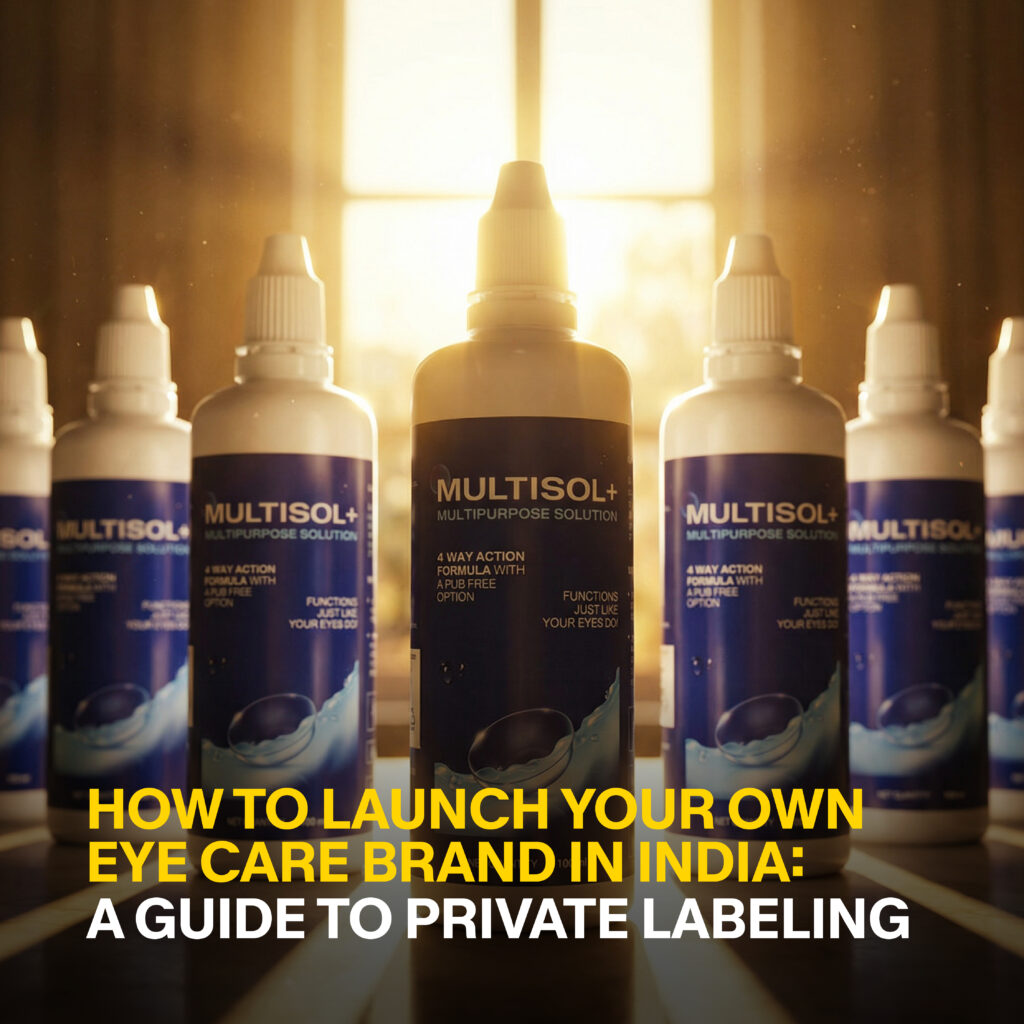
Introduction With the strong push of the “Make in India” movement in 2026, more businesses are shifting from simple product distribution to building their own brands. In the eye care segment, this shift is especially visible among optical retailers and distributors. Through private label lens solution India models, businesses can move from being just sellers to becoming brand owners without investing in manufacturing infrastructure. Partnering with a reliable contact lens solution manufacturer allows faster market entry, better margins, and long-term brand value in a growing category. The Production Pipeline Launching your own brand involves a structured process when working with an experienced oem contact lens solution manufacturer: R&D and Custom Formulation Products are developed based on Indian consumer needs such as dryness due to climate, long screen exposure, and sensitivity concerns. CDSCO & ISO Regulatory Compliance A trusted OEM lens solution supplier India ensures all required approvals, documentation, and certifications are in place for safe market entry. Modern Sterile Packaging Design From bottle design to labeling, packaging is created to meet both regulatory standards and brand positioning. Scaling Distribution Once ready, products can be scaled across retail stores, pharmacies, and online channels efficiently. Strategic Advantages Owning your own brand offers clear business benefits: Higher Margins: Eliminate dependency on third-party brands Customer Loyalty: Build trust with your own identity Supply Chain Control: Better pricing, availability, and planning Brand Equity: Long-term value creation in the eye care segment Private labeling allows businesses to compete more effectively while maintaining flexibility. Market Positioning Competing with global brands requires a focused strategy. Indian brands can win by emphasizing: Affordable Quality: Deliver high-performance products at competitive pricing Indian Climate Compatibility: Solutions designed for heat, humidity, and pollution Localized Branding: Messaging that resonates with Indian consumers A strong combination of quality and relevance helps new brands stand out in a crowded market. Conclusion Launching your own eye care brand is no longer complex or capital-intensive. With the right white label lens solution supplier, you can enter the market quickly and confidently. From formulation to compliance and distribution, expert partners handle the heavy lifting so you can focus on building your brand. Your vision, our expertise. Start your journey with Gaymed Labs and take the first step toward becoming a trusted name in eye care. FAQs Q1. What are the steps to start your own eye care brand in India? The process includes selecting a product category, partnering with a certified manufacturer, finalizing formulation and packaging, obtaining regulatory approvals, and launching through distribution channels. Q2. How does private labeling work in the eye care industry? A manufacturer produces ready, compliant products that are branded and sold under your company name, allowing you to enter the market without setting up production facilities. Q3. What are the requirements for launching a contact lens brand in India? You need regulatory approvals (like CDSCO compliance), proper labeling, quality certifications, and a reliable manufacturing partner to ensure safety and consistency. Q4. How can I find private label manufacturers for eye care products? Look for experienced, certified manufacturers with ISO standards, proven product quality, and the ability to offer customization and scalable production. Q5. What is the cost and investment needed to start an eye care brand in India? Costs vary based on product type, order quantity, and packaging. Private labeling significantly reduces upfront investment compared to setting up a manufacturing unit.
Smart Contact Lenses: Glucose-Monitoring in India?
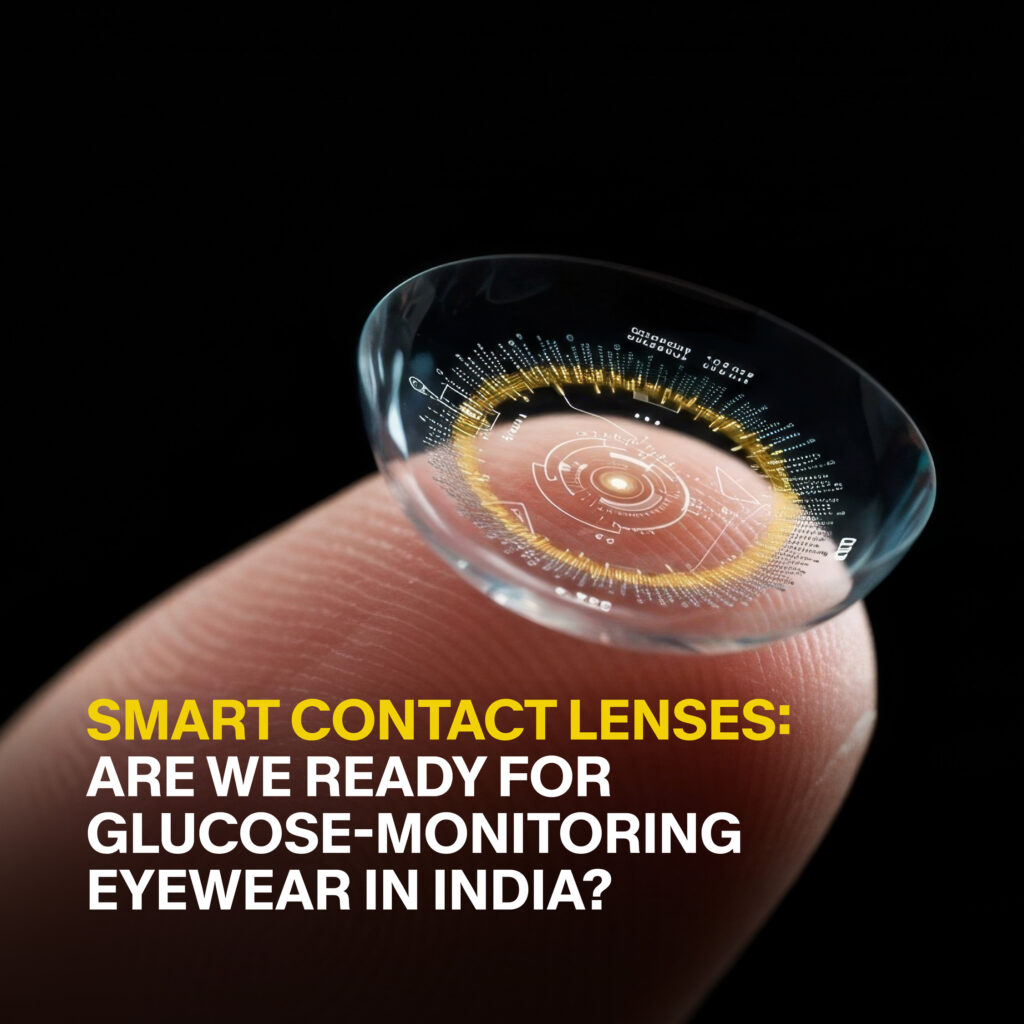
The year 2026 is seeing the early arrival of smart contact lenses also called biometric or digital contact lenses in India. These advanced lenses can monitor tear glucose levels, offering a non-invasive way to track health for millions living with diabetes. As part of the broader evolution of smart eyewear technology, they represent a major leap from vision correction to real-time health monitoring. However, with this innovation comes a new responsibility: proper care. Unlike regular lenses, these require highly specific maintenance to ensure both safety and accuracy. The Science of Maintenance Unlike traditional lenses, ai contact lenses integrate micro-sensors and electronic components. This makes their care far more sensitive. Standard cleaning methods, especially aggressive rubbing, can disrupt sensor calibration or damage embedded components. These lenses often require non-ionic, high-purity contact lens cleaning solutions that avoid interference with electronic signals. Gentle handling and compatibility-focused cleaning become essential to maintain both hygiene and device performance. Protecting the Investment Smart lenses are not just vision aids, they are high-value health devices. Using low-quality or incompatible solutions can lead to sensor corrosion, inaccurate readings, or even complete device failure. For users and distributors alike, this creates both financial and health risks. Investing in lab-certified, high-purity storage and contact lens disinfecting solutions is critical. Proper care ensures longevity, protects user safety, and maintains the reliability of glucose monitoring data. Future-Proofing Vision The future of contact lenses goes beyond glucose monitoring. Innovations like AR-enabled lenses for navigation, notifications, and real-time data overlays are already in development. As lenses evolve into wearable tech, care systems must evolve alongside them. Companies like Gaymed Labs are focusing on developing compatible, next-generation care products designed to support advanced lens materials and embedded technologies ensuring safety, stability, and long-term usability. Conclusion As contact lenses transform into intelligent health devices, their care solutions become just as important as the technology itself. Think of lens solutions as the “software” that keeps this wearable tech functioning smoothly. Choosing high-purity, compatible products is no longer optional, it’s essential for performance, safety, and long-term eye health in the era of smart contact lenses. FAQs Q1. How do smart contact lenses work for glucose monitoring? They use embedded micro-sensors to analyze glucose levels in tear fluid. The data can be transmitted to an external device for real-time monitoring without the need for blood samples. Q2. What are the benefits of glucose monitoring contact lenses for diabetes patients? They offer a non-invasive, continuous way to track glucose levels, improving convenience and potentially enabling better daily health management. Q3. Are smart contact lenses safe and accurate for health tracking? They are designed with safety standards in mind, but accuracy and reliability depend on proper usage, calibration, and maintenance with compatible solutions. Q4. What are the current developments in smart contact lens technology? Developments include glucose monitoring, AR-based features, and integration with wearable ecosystems, making lenses more than just vision aids. Q5. Are glucose-monitoring contact lenses available in India? They are in early stages of introduction and testing. Wider commercial availability in India is expected as regulatory approvals and technology adoption progress.
Silicone Hydrogel Lenses: Why Material Matters in India?
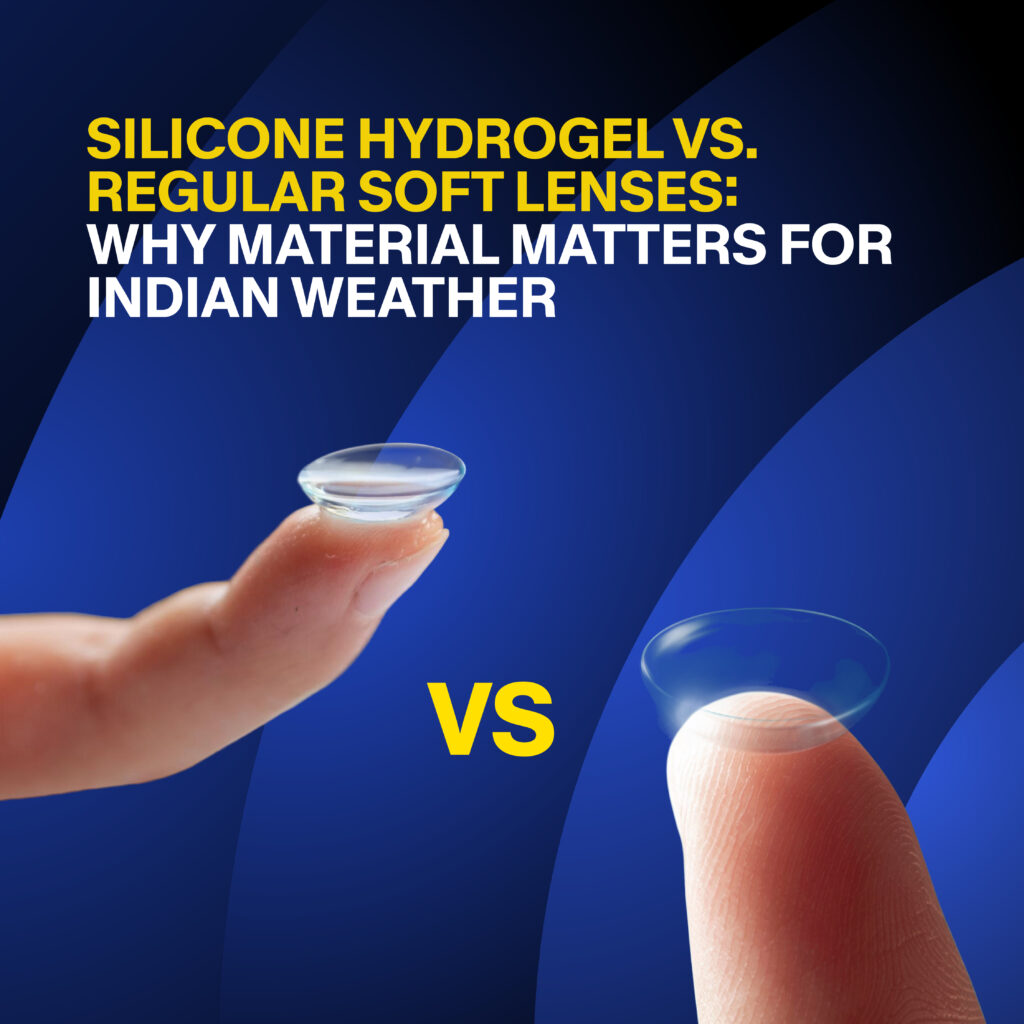
India’s summer heat and humidity especially during peak months like April can significantly impact contact lens comfort. High temperatures increase dryness and sweat, while humidity can lead to lens deposits and irritation. Poor lens breathability may also cause corneal hypoxia (lack of oxygen), resulting in redness and discomfort. Choosing the right lens material, along with a suitable multipurpose contact lens solution, becomes essential to maintain eye health and all-day comfort in Indian conditions. Silicone Hydrogel vs. Regular Soft Lenses Silicone Hydrogel Lenses These advanced lenses allow significantly more oxygen to pass through to the cornea. This reduces the risk of redness and dryness, making them ideal for long hours and hot climates. Regular Soft Lenses (Hydrogel) Traditional soft lenses offer good initial comfort but allow less oxygen transmission. In humid and warm environments, they may feel heavier and lead to dryness over extended wear. Step-by-Step Care Routine Step 1: Wash and dry your hands thoroughly before handling lenses. Step 2: Use a compatible contact lens cleaning solution or multipurpose solution designed for modern lens materials. Step 3: Gently rub lenses to remove lipid and protein buildup, which is more common in humid climates. Step 4: Store lenses in a clean case placed in a cool, dry area away from direct sunlight. Common Mistakes to Avoid Storing lenses or solution in hot environments like cars Using outdated or incompatible solutions with advanced lens materials Skipping the rub-and-rinse step during cleaning These mistakes can reduce lens performance and increase discomfort. Benefits of Choosing the Right Lens Material Superior Oxygen Flow: Silicone hydrogel lenses reduce the risk of corneal hypoxia Better Comfort: Ideal for users experiencing contact lenses dry eyes in hot weather Improved Wear Time: Maintain comfort even during long working hours Enhanced Eye Health: Lower chances of redness and irritation Conclusion When it comes to best contact lenses India, material plays a crucial role—especially in challenging weather conditions. Silicone hydrogel lenses, paired with a high-quality multipurpose contact lens solution, offer better breathability and comfort. Choosing the right combination based on climate and usage can significantly improve long-term eye health and daily lens-wearing experience. FAQs Q1. What are the signs of digital eye strain for contact lens users? Common signs include dryness, blurred vision, headaches, and eye fatigue. Taking breaks, blinking frequently, and using lubricating drops can help manage symptoms. Q2. Which contact lenses are best for hot and humid weather? Silicone hydrogel lenses are generally preferred as they allow higher oxygen flow and maintain better comfort in warm, humid conditions. Q3. What are the benefits of silicone hydrogel lenses for dry eyes in India? They retain moisture better and allow more oxygen to reach the eyes, reducing dryness and irritation commonly experienced in Indian climates. Q4. How does lens material affect comfort in Indian weather conditions? Materials with higher oxygen permeability and moisture retention perform better, reducing discomfort caused by heat, humidity, and long wear hours. Q5. Are silicone hydrogel lenses better than regular soft lenses for daily wear? Yes, for most users especially in warm climates they offer improved breathability, comfort, and reduced risk of redness compared to traditional soft lenses.
Digital Eye Strain in 2026: Can the Right Contact Lens Solution Help?
With rising screen time in 2026 whether it’s IPL streaming, remote work, or constant smartphone use, digital eye strain has become a daily concern in India. Contact lens wearers are especially affected, as reduced blinking during screen use leads to lens dehydration, dryness, and blurred vision. Over time, this can cause persistent discomfort and redness. Using the right contact lens solution, along with supportive eye drops for dry eyes, plays a key role in maintaining hydration and protecting eye health in a screen-heavy lifestyle. Step-by-Step Care Routine Step 1: Wash your hands with soap and dry them using a lint-free towel before handling lenses. Step 2: Use a contact lens solution with moisture-locking agents to rehydrate the lens surface. Step 3: Follow the “rub and rinse” method to remove protein deposits that build up due to reduced blinking. Step 4: Store lenses in fresh solution for at least 6 hours to ensure proper disinfection and hydration. Common Mistakes to Avoid Using generic lubricating eye drops that are not designed for contact lens use Skipping the cleaning routine after long hours of screen exposure Reusing old solution instead of replacing it with fresh liquid Ignoring early signs of dryness or irritation These habits can worsen digital eye strain and reduce lens comfort. Benefits of the Right Lens Care Approach Extended Comfort: Supports 12+ hours of screen use with minimal dryness Better Hydration: Keeps lenses moist throughout the day Reduced Redness: Minimizes irritation caused by prolonged digital exposure Improved Clarity: Helps maintain stable vision even after long screen sessions Using a high-quality option like Multisol multipurpose solution can help maintain consistent hydration and cleanliness for daily lens users. Conclusion Digital eye strain is now a part of modern life, but it doesn’t have to affect your comfort or vision. The foundation of digital eye health starts with proper lens hygiene and the right contact lens solution. Combined with appropriate eye drops for dry eyes, these practices ensure long-lasting comfort, clarity, and protection for contact lens users navigating a screen-driven world. FAQs How does digital eye strain affect contact lens wearers? Reduced blinking during screen use leads to dryness, discomfort, blurred vision, and irritation, making lenses feel less comfortable over time. Can contact lens solutions reduce digital eye strain symptoms? Yes, solutions with hydrating and cleaning properties help maintain moisture, remove deposits, and improve overall lens comfort during extended screen use. What are the best contact lens solutions for screen-related dry eyes? Solutions with moisture-retaining agents and effective cleaning properties are ideal, as they help keep lenses hydrated and comfortable throughout the day. What are some tips to prevent digital eye strain while wearing contact lenses? Follow the 20-20-20 rule, blink frequently, use compatible lubricating drops, maintain proper lens hygiene, and take regular screen breaks.
How to Choose the Right Contact Lens Solution for Your Needs
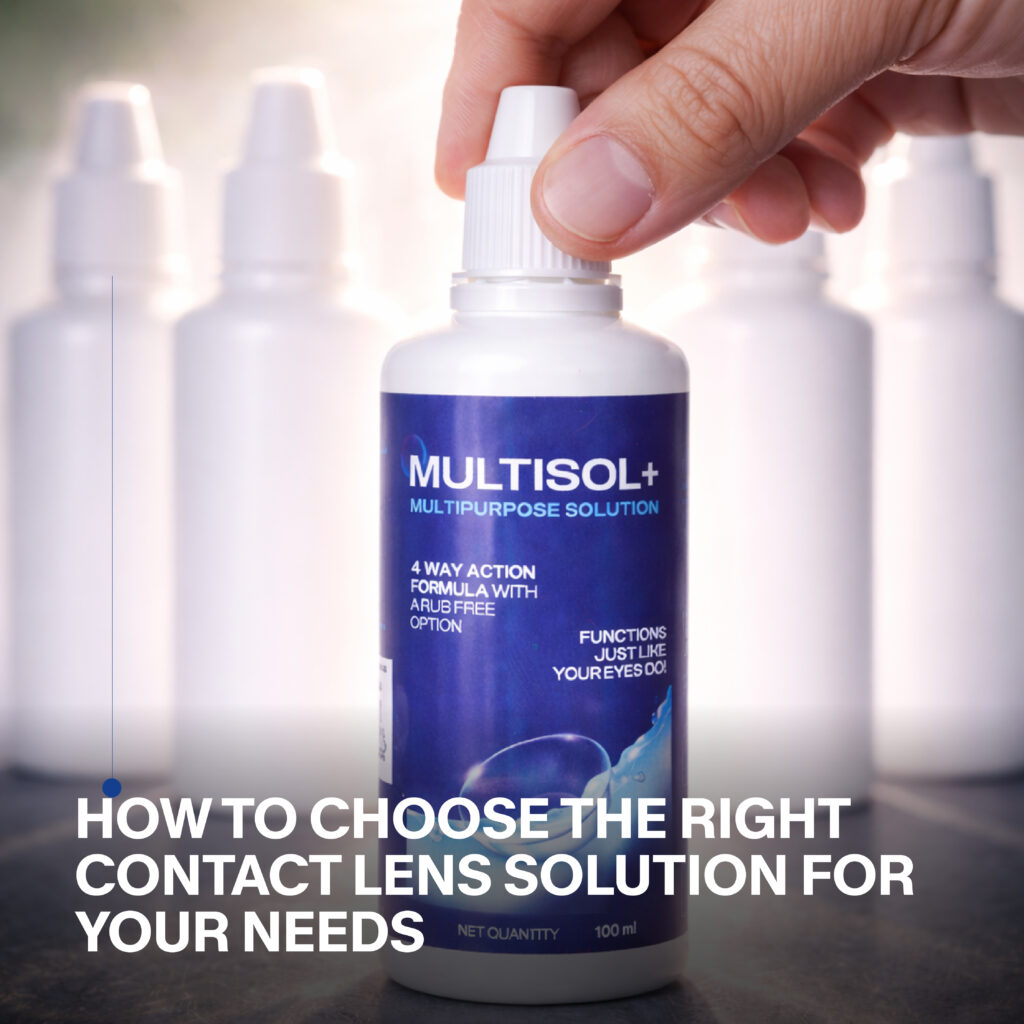
Not all contact lens solutions are created equal, and choosing the wrong one can lead to discomfort, dryness, or even irritation. The right contact lens solution plays a crucial role in maintaining lens hygiene, eye safety, and long-term comfort. With multiple options available, understanding what suits your lenses and lifestyle is essential for a safe and comfortable wearing experience. Types of Contact Lens Solutions There are three main types of contact lens solution available: Multipurpose Contact Lens Solution This is the most commonly used option. A multipurpose contact lens solution cleans, rinses, disinfects, and stores lenses in one step, making it convenient for daily users. Hydrogen Peroxide-Based Solutions These provide deep cleaning and strong disinfection. However, they require a neutralization step before lenses can be worn, making them slightly more complex to use. Saline Solutions Saline is used only for rinsing lenses. It does not disinfect or clean, so it must be used alongside other cleaning systems. Factors to Consider Choosing the best contact lens solution depends on several important factors: Lens Type: Soft lenses typically work well with multipurpose solutions, while rigid gas permeable lenses may require specialized solutions. Eye Sensitivity: If you have sensitive eyes or allergies, look for gentle, low-preservative formulations. Dryness Levels: Hydrating solutions help maintain moisture and reduce dryness during wear. Lifestyle & Usage: Daily users benefit from convenient all-in-one solutions, while occasional users may prioritize deeper cleaning systems. Benefits of Using the Right Solution Using the right contact lens solution ensures: Better Comfort & Hydration: Keeps lenses moist and comfortable throughout the day Effective Cleaning & Disinfection: Removes debris, proteins, and harmful microorganisms Reduced Irritation: Minimizes the risk of redness, dryness, and allergic reactions A well-matched solution improves both lens performance and overall eye health. Conclusion Selecting the right multipurpose contact lens solution or alternative system is key to safe and comfortable lens wear. By considering your lens type, sensitivity, and daily habits, you can find a solution that supports long-term eye health. For best results, always follow proper lens care routines and consult an eye care professional if you experience discomfort. FAQs What factors should you consider when choosing a contact lens solution for daily use? You should consider your lens type, eye sensitivity, hydration needs, and how frequently you wear lenses. Convenience and compatibility are key factors for daily users. What are the different types of contact lens solutions, and how do they compare? Multipurpose solutions offer all-in-one care, hydrogen peroxide systems provide deeper cleaning, and saline solutions are used only for rinsing without disinfection. Which contact lens solutions are best for sensitive eyes? Solutions with gentle formulations, fewer preservatives, and added moisturizing agents are generally better for sensitive or allergy-prone eyes.
The Importance of Contact Lens Case Hygiene
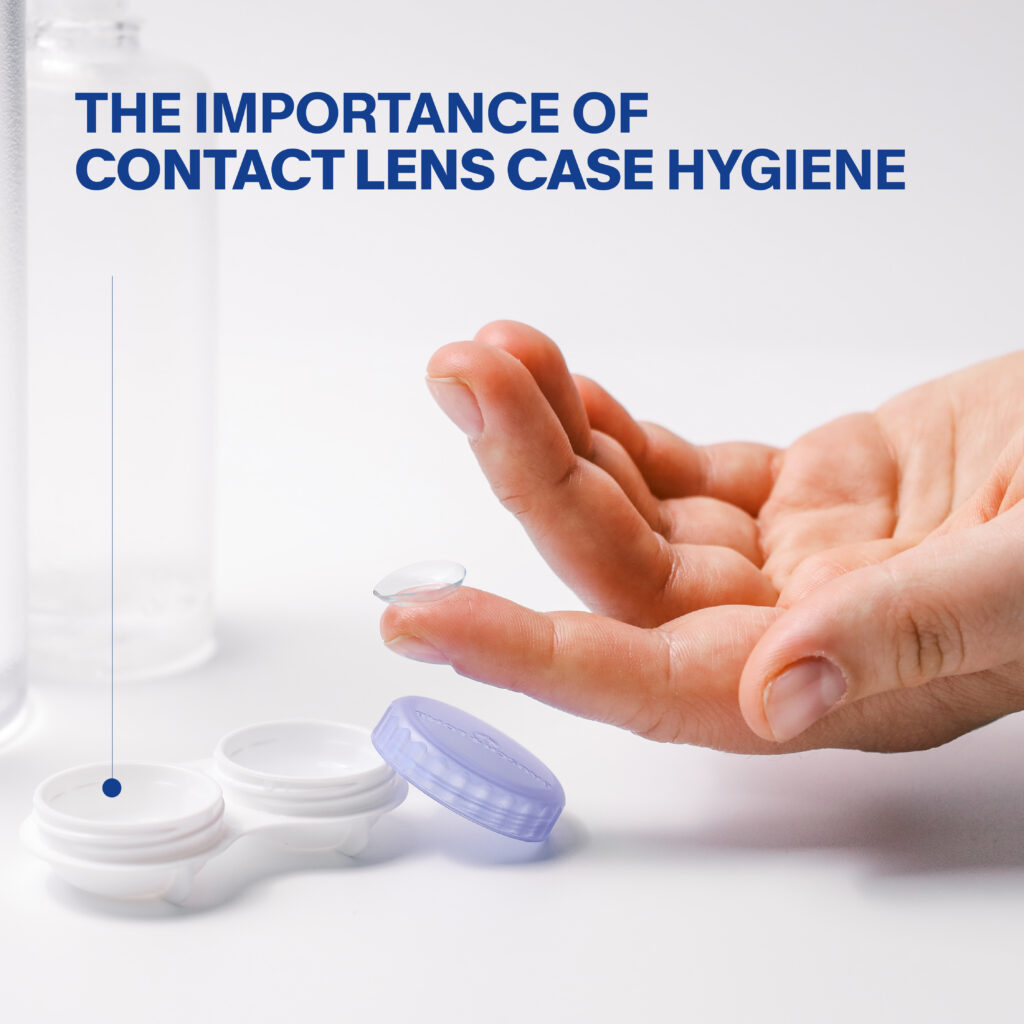
A contact lens case plays a crucial role in maintaining overall lens hygiene, yet it is often overlooked. Over time, cases can accumulate bacteria, residue, and contaminants if not cleaned properly. A dirty contact lens case can become a major source of infection, even if lenses are cleaned correctly. Maintaining proper contact lens case hygiene is essential to protect your eyes and ensure safe lens use. Best Practices for Lens Case Care Following the right contact lens case care routine can significantly reduce contamination risks: Clean the case daily – Rinse with fresh contact lens cleaning solution, not water Air dry properly – Leave the case upside down in a clean, dry place Use fresh solution only – Never reuse or top off old liquid Replace regularly – Change your case every 1–3 months Using a reliable solution, such as Multisol+ by GaymedLabs, can help maintain hygiene and support safer lens storage. Common Mistakes Many users unknowingly make mistakes that compromise contact lens case hygiene: Topping off old solution – Reduces disinfecting effectiveness Not cleaning the case regularly – Leads to buildup of bacteria Using expired or damaged cases – Increases contamination risk Rinsing with tap water – Introduces harmful microorganisms Avoiding these errors is essential for proper contact lens case cleaning. Risks of Poor Case Hygiene Neglecting lens case hygiene can lead to serious eye problems: Bacterial contamination – Cases can become breeding grounds for microbes Eye infections and irritation – Increases risk of redness, discomfort, and infections Higher risk of conditions like microbial keratitis – A serious eye infection linked to poor hygiene A poorly maintained case can undo all the benefits of proper lens cleaning. Conclusion Maintaining proper contact lens case hygiene is a simple but essential step in protecting your eye health. Daily cleaning, proper drying, and timely replacement of the case can prevent infections and ensure safe lens use. Small, consistent habits go a long way in keeping your eyes healthy and comfortable. FAQs Q1. Why is contact lens case hygiene essential for preventing eye infections and maintaining eye health? A lens case can accumulate bacteria and contaminants over time. Proper hygiene helps prevent infections, irritation, and serious eye conditions by ensuring lenses are stored in a clean environment. Q2. How often should you clean and replace your contact lens case for safe daily use? The case should be cleaned daily with fresh solution and allowed to air dry. It is recommended to replace the case every 1–3 months to minimize contamination risks. Q3. What is the proper method to clean and dry a contact lens case to avoid bacterial buildup? Rinse the case with fresh contact lens solution, wipe with clean fingers if needed, and leave it open to air dry upside down on a clean surface. Avoid using water or closing it while wet. Q4. What are the risks of using a dirty or old contact lens case, including infections like microbial keratitis? Using a dirty case increases the risk of bacterial growth, which can lead to eye infections, irritation, and serious conditions like microbial keratitis if left untreated. Q5. What are the best practices recommended by eye specialists for maintaining contact lens case hygiene? Experts recommend daily cleaning with solution, avoiding water, air drying the case, replacing it regularly, and always using fresh solution to ensure optimal hygiene and safety.
The Complete Guide to Contact Lens Cleaning and Disinfection
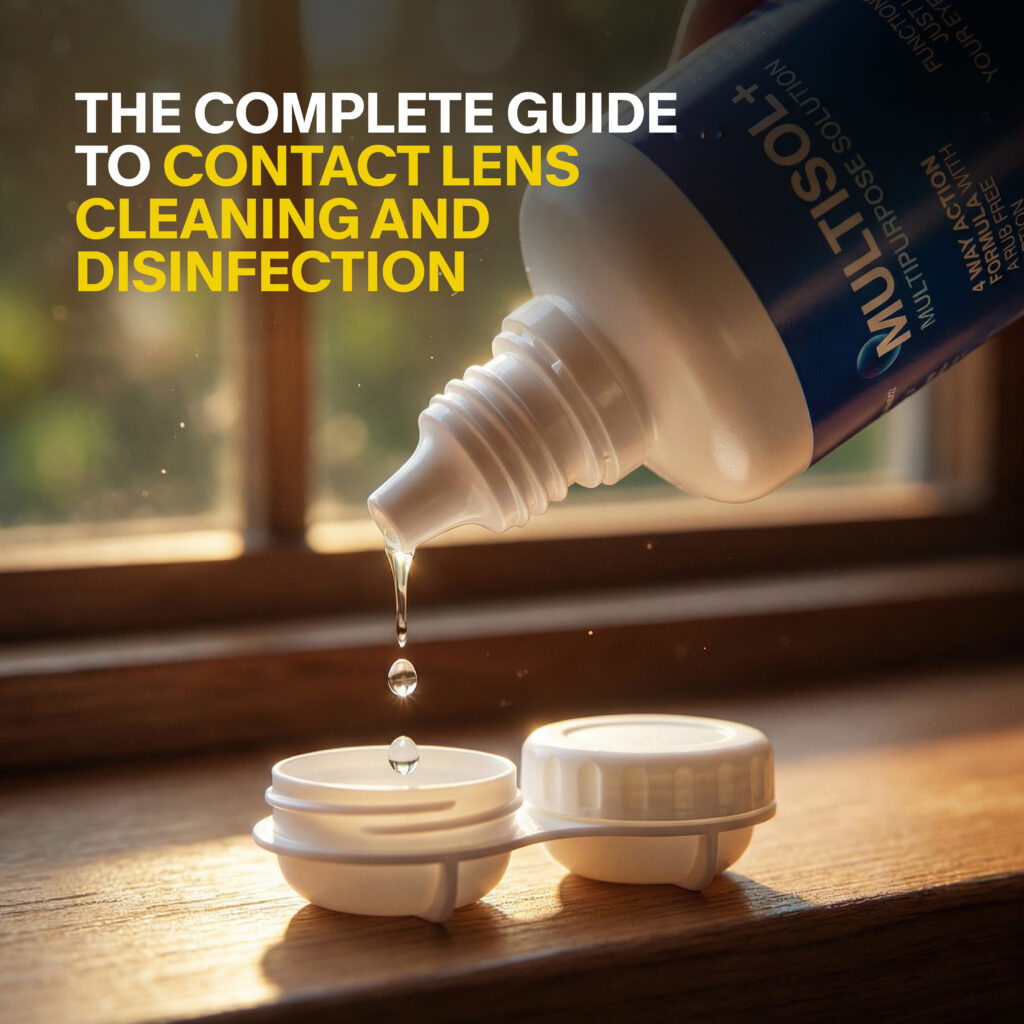
Proper contact lens cleaning and contact lens disinfection are essential for maintaining eye health and preventing complications. Poor hygiene can lead to infections, irritation, and discomfort, especially when lenses are not cleaned or stored correctly. Following a consistent routine and using a reliable contact lens disinfection solution helps ensure safe, clear, and comfortable vision every day. Step-by-Step Contact Lens Cleaning Routine Step 1: Wash Hands Always wash your hands with soap and dry them using a lint-free towel before handling lenses. This prevents transferring dirt and bacteria. Step 2: Rub and Rinse Place the lens on your palm, apply a few drops of contact lens cleaning solution, and gently rub it to remove debris even if the solution is labeled “no-rub.” Step 3: Disinfect Soak lenses in fresh contact lens disinfection solution for the recommended time. This step is crucial for eliminating harmful microorganisms. Step 4: Proper Storage Store lenses in a clean case filled with fresh solution. Never reuse old liquid, and replace it daily for proper hygiene. Using well-balanced solutions like Multisol+ by GaymedLabs can support effective cleaning, disinfection, and comfort. Common Mistakes to Avoid Avoiding these mistakes can significantly reduce the risk of eye problems: Reusing old solution – Reduces disinfecting effectiveness Using tap water to clean lenses – Can introduce harmful microorganisms Skipping the rub step – Leaves behind deposits and bacteria Not cleaning the lens case – Increases contamination risk Being aware of these errors is key to maintaining proper lens hygiene. Benefits of Proper Lens Care Following the right contact lens cleaners routine offers multiple benefits: Reduced risk of infections – Proper disinfection keeps lenses safe Improved comfort – Clean lenses feel better throughout the day Better vision clarity – Removes buildup that causes blurriness Longer lens lifespan – Prevents damage and maintains quality Consistent care ensures a safer and more comfortable lens-wearing experience. Conclusion Maintaining a proper contact lens cleaning and disinfection routine is essential for long-term eye health. Simple habits like washing hands, using fresh solution, and storing lenses correctly can prevent major issues. Investing in high-quality lens care products and following recommended hygiene practices will help ensure safe, comfortable, and reliable vision. FAQs Q1. What is the correct step-by-step process to clean and disinfect contact lenses safely at home? Wash your hands, rub and rinse lenses with a cleaning solution, soak them in fresh disinfecting solution, and store them in a clean case.Always use fresh solution and avoid reusing old liquid to maintain proper hygiene. Q2. What are the differences between multipurpose solutions and hydrogen peroxide-based cleaning systems for contact lenses? Multipurpose solutions clean, rinse, disinfect, and store lenses in one step, making them convenient for daily use. Hydrogen peroxide systems provide deeper cleaning but require a neutralization step before lenses can be worn safely. Q3. How often should contact lenses and lens cases be cleaned and replaced to prevent eye infections? Lenses should be cleaned and disinfected daily after use. Lens cases should be rinsed with solution, air-dried, and replaced every 1–3 months to reduce contamination risk. Q4. What common mistakes do people make while cleaning and disinfecting contact lenses and how can they be avoided? Common mistakes include reusing old solutions, using water, skipping cleaning steps, and not replacing the case. These can be avoided by following a consistent routine and using a reliable contact lens cleaning solution
Contact Lens Care Mistakes You Should Avoid for Healthy Eyes
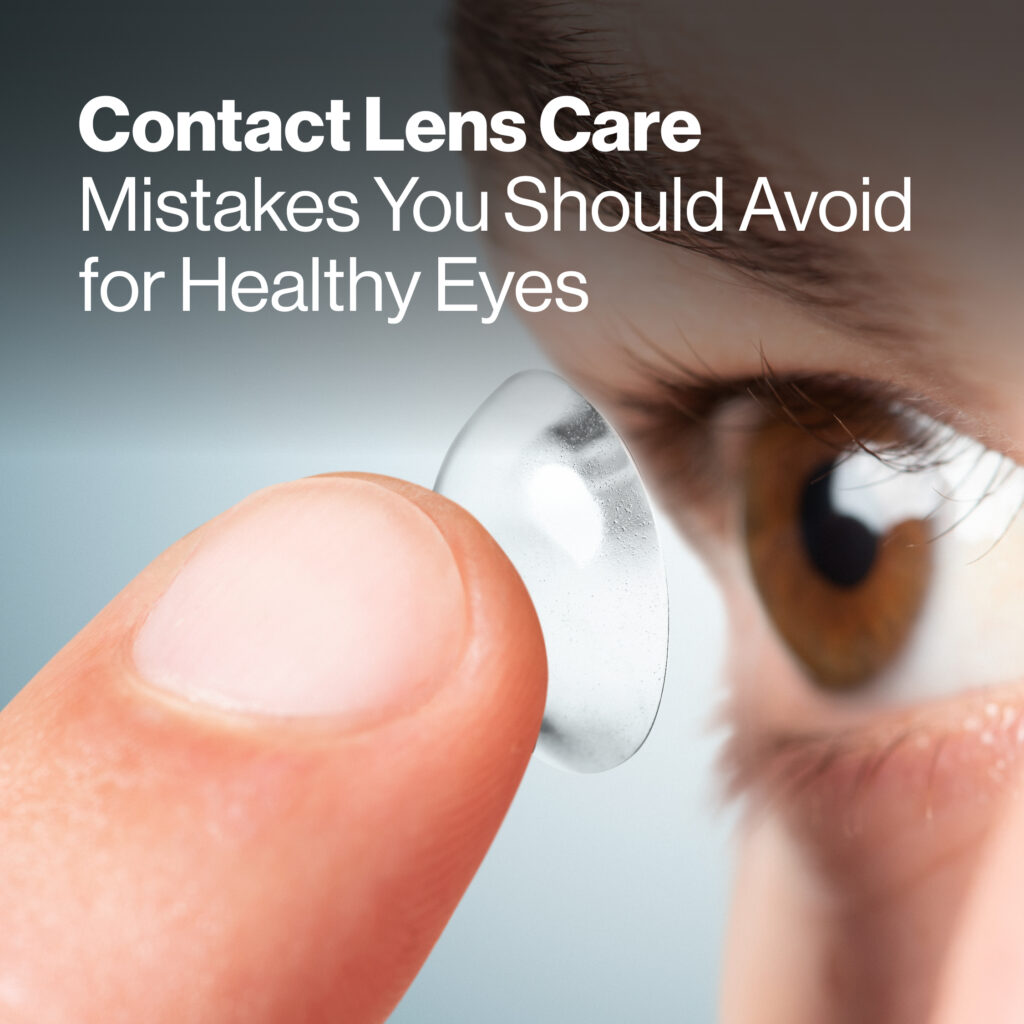
Many contact lens users unknowingly make mistakes that can harm their eye health. Poor hygiene habits, incorrect cleaning routines, and improper storage can lead to irritation, infections, and long-term discomfort. Following the right contact lens care routine is essential to ensure safe and comfortable lens wear. Simple changes in daily habits can significantly improve eye safety and reduce risks. Common Contact Lens Care Mistakes Some of the most common contact lens mistakes include: Not cleaning lenses properly – Skipping the rub-and-rinse step can leave deposits behind Sleeping with lenses not designed for overnight wear – Increases risk of irritation and infection Using expired solutions – Reduces effectiveness and may cause discomfort Ignoring hygiene basics – Handling lenses with unclean hands These mistakes can lead to serious contact lens safety concerns if not corrected. Mistakes Related to Lens Storage Improper storage is another major cause of lens-related problems: Not replacing the lens case regularly – Old cases can harbor bacteria Topping off old solution – Mixing old and new solution reduces disinfecting power Using contaminated solution – Increases infection risk Following proper contact lens hygiene tips ensures your lenses remain safe for use. Best Practices for Healthy Lens Use Adopting the right habits can help maintain eye health and comfort: Follow a proper cleaning routine – Always rub, rinse, and soak lenses using a reliable contact lens cleaning solution Replace lenses as prescribed – Do not extend usage beyond recommended duration Use high-quality solutions – Balanced formulations like Multisol+ by GaymedLabs support effective cleaning and comfort Schedule regular eye check-ups – Helps detect early signs of irritation or infection Maintain hygiene – Always wash and dry hands before handling lenses These contact lens care tips are essential for long-term safe lens use. Conclusion Avoiding common contact lens care mistakes is key to maintaining healthy eyes and comfortable vision. By following proper hygiene, using the right products, and staying consistent with your lens care routine, you can significantly reduce the risk of irritation and infections. Small improvements in daily habits can make a big difference in protecting your eye health over time. FAQs What’s the best type of multipurpose solution for sensitive eyes? The best solutions for sensitive eyes are those with gentle disinfecting agents, good hydration properties, and minimal irritants. Look for clinically tested formulations that balance cleaning and comfort for daily use. Where can I find affordable contact lens care kits nearby? You can find affordable contact lens care kits at optical stores, pharmacies, and online marketplaces. Many retailers offer bundled kits that include solution, lens cases, and accessories at competitive prices. Which brands offer multipurpose contact lens solutions in India? Several brands in India provide multipurpose solutions designed for daily lens care. Options like Multisol+ by GaymedLabs are developed to offer effective cleaning, safety, and comfort. What are the best online stores for buying contact lens care accessories? Popular e-commerce platforms, optical brand websites, and pharmacy portals offer a wide range of lens care products. Look for verified sellers and trusted brands to ensure product quality. Best contact lens cleaning solutions available in India? The best solutions are those that provide strong disinfection, hydration, and compatibility with modern lenses. Choose products that are clinically tested and suitable for your specific lens type and usage needs.
Private Label Contact Lens Solutions: Opportunities for Optical Brands
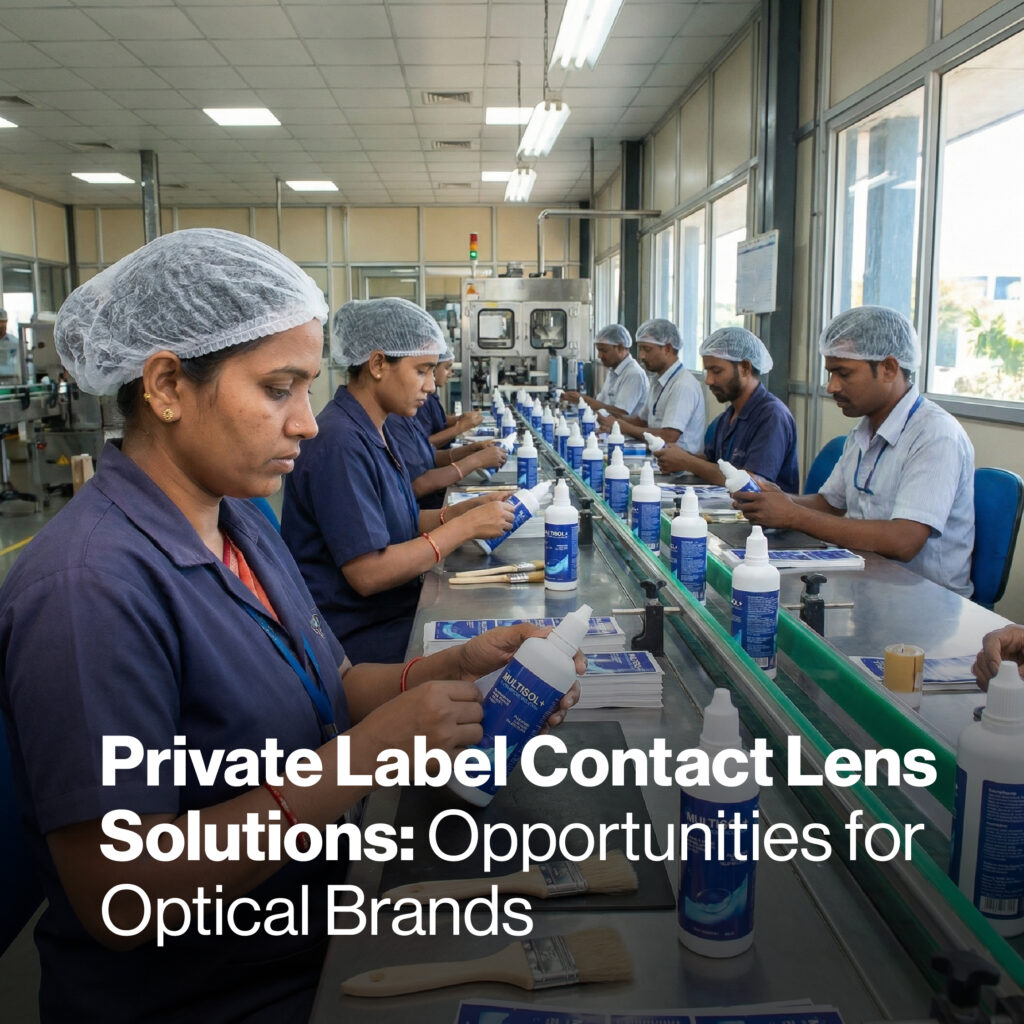
The demand for contact lens care products is growing rapidly, creating strong opportunities for optical brands to expand their offerings. One of the most effective ways to enter this space is through private label contact lens solutions, where brands can launch their own products without investing in manufacturing. Many businesses today prefer OEM models to build their brand presence quickly while leveraging the expertise of established manufacturers. What Is Private Label Manufacturing? Private label manufacturing allows businesses to sell products under their own brand name while production is handled by an OEM contact lens solution manufacturer. In the optical industry, this means ready formulations are produced, tested, and packaged by manufacturers, while brands focus on marketing and distribution. This model enables access to high-quality products without the complexities of setting up manufacturing units. It is also commonly referred to as white label contact lens solution, especially when minimal customization is required. Benefits for Optical Businesses Private labeling offers several advantages for optical retailers, distributors, and entrepreneurs: Lower production costs – No need for investment in R&D or manufacturing setup Faster product launch timelines – Ready-to-market formulations reduce development time Brand customization – Full control over packaging, branding, and positioning Scalability – Easy to expand product range as demand grows Higher margins – Better pricing control compared to reselling third-party brands A custom branded contact lens solution helps businesses differentiate themselves in a competitive market. Choosing the Right Manufacturing Partner Selecting the right contact lens solution manufacturer is critical for long-term success. Key factors to consider include: Certifications & compliance – Ensure ISO, CE, and GMP standards are followed Product quality & safety testing – Reliable formulations reduce customer complaints Production capacity – Ability to scale as your business grows R&D capabilities – Support for formulation improvements and innovation Documentation & support – COA, MSDS, and regulatory assistance Trusted manufacturers like GaymedLabs, with products such as Multisol+, offer end-to-end OEM and private label support, making it easier for brands to enter the market confidently. Conclusion Private label contact lens solutions provide a low-risk, high-growth opportunity for optical businesses looking to expand their product portfolio. By partnering with a reliable manufacturer, brands can launch high-quality products quickly, build their identity, and improve profitability. With the right strategy and partner, private labeling can become a strong driver of long-term business growth. FAQs Best private label contact lens solutions suppliers in India? India has several reliable OEM manufacturers offering private label solutions. Look for companies with ISO and GMP certifications, proven product quality, and strong B2B support. Manufacturers like GaymedLabs are known for consistent quality and scalable production. How to start a private label contact lens solution brand in India? Start by selecting a trusted manufacturer, finalize product variants, design your branding and packaging, complete documentation, and place your initial order. Most OEM partners guide you through the entire onboarding and launch process. Affordable private label contact lens solution manufacturers near me? Affordable options are available across India, especially from manufacturers offering flexible MOQs and ready formulations. Choosing a partner with efficient production and logistics can help reduce overall costs. Top private label contact lens solution companies offering OEM services? Top OEM providers offer certified manufacturing, quality-tested formulations, and customization options. Look for companies with strong industry experience, export capabilities, and reliable supply chains. Private label contact lens solution manufacturers with low minimum order quantities? Many manufacturers now offer low MOQs to support new brands and distributors. This makes it easier to enter the market with limited investment while testing demand and scaling gradually.